中文简体
中文简体 عربى
عربى
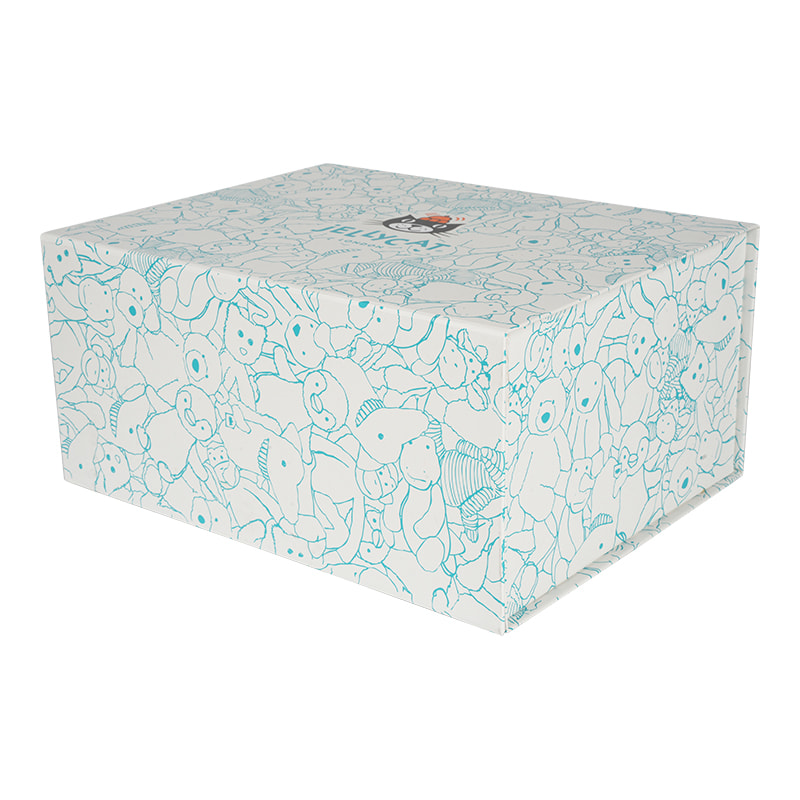
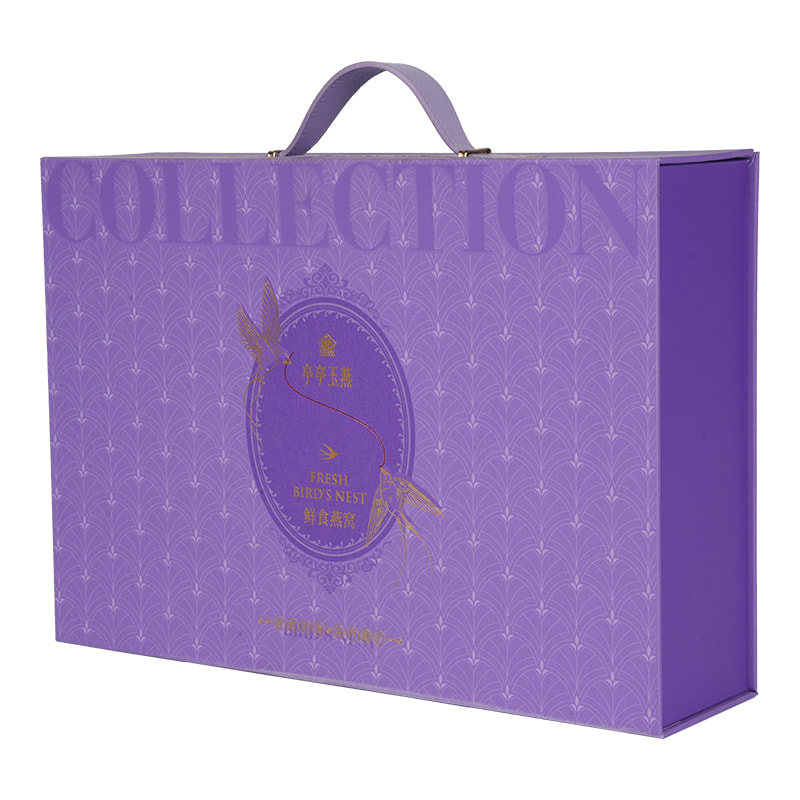
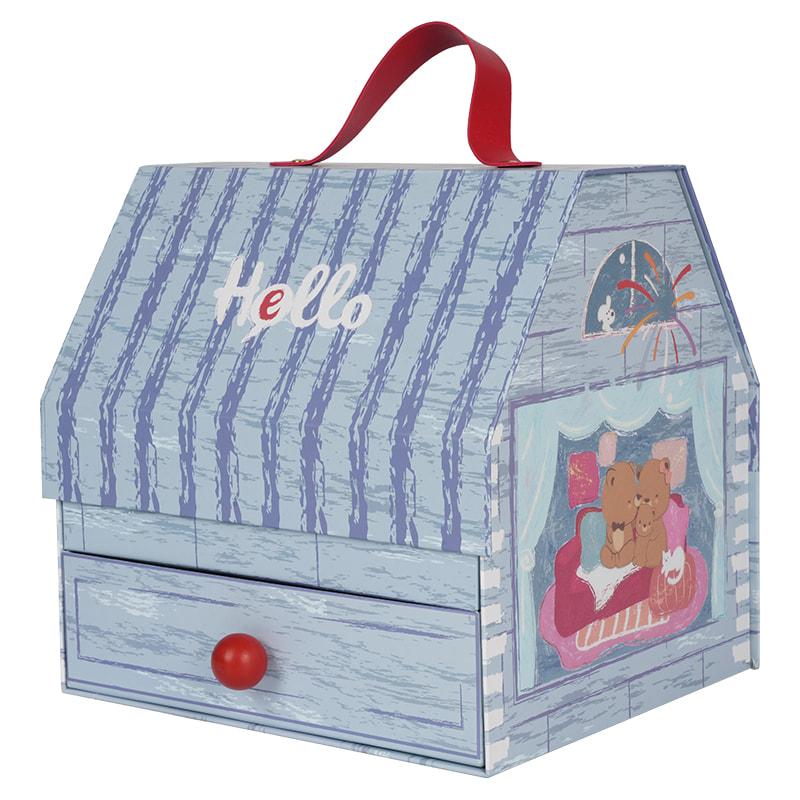
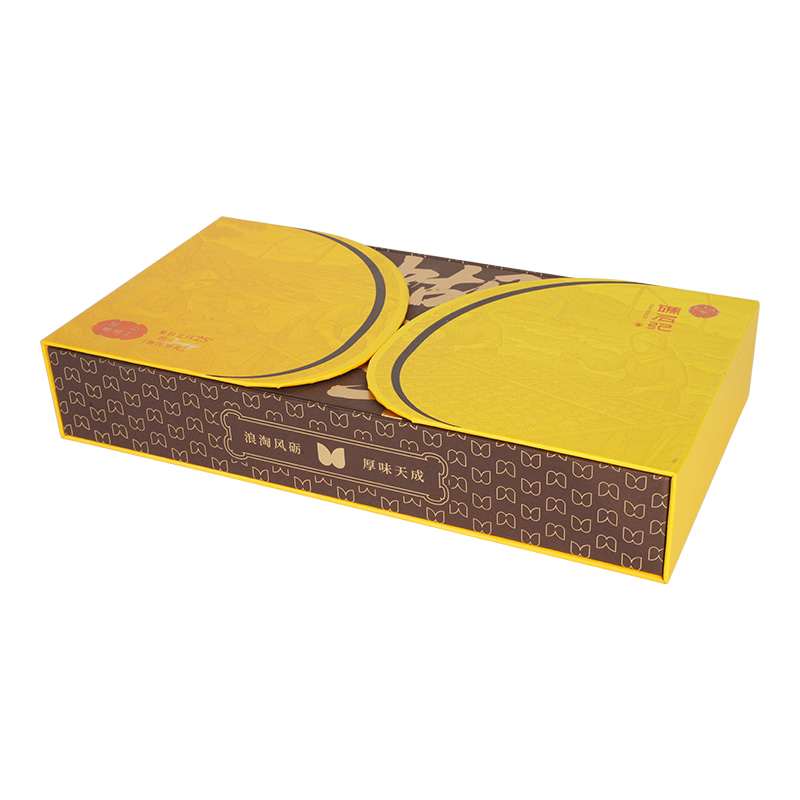
An Embossed Gift Box can give packaging a distinct surface appearance through raised logos, lettering, patterns, and decorative elements. Unlike packaging that relies only on printed graphics, embossing adds a physical texture that can be noticed through both sight and touch. For product packaging, this process can be used to create a clear connection between the box surface and the visual identity of a product.
Understanding Embossing in Gift Box Packaging
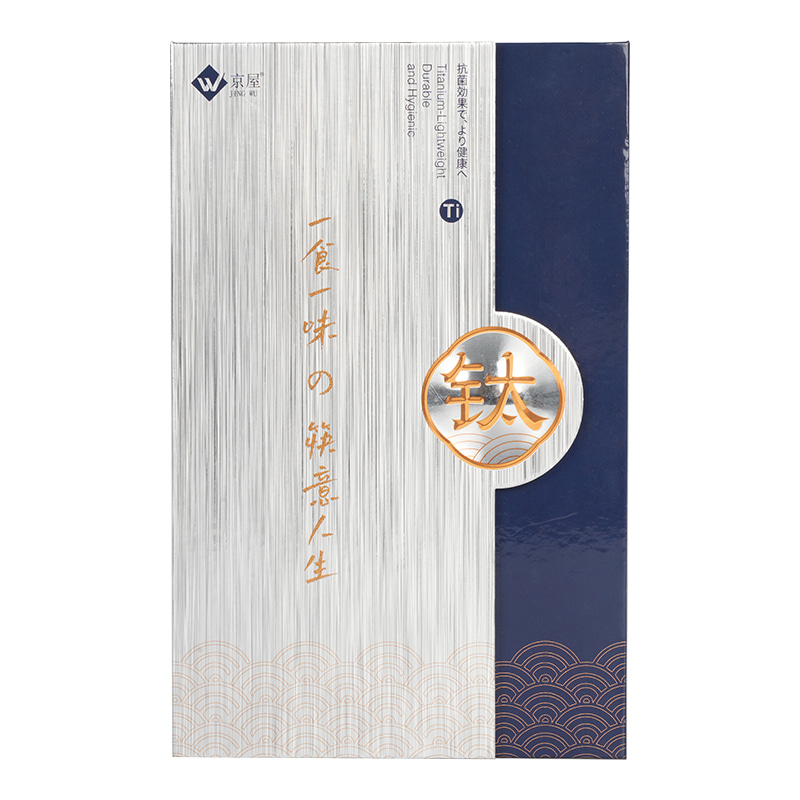
Embossing is a finishing process that creates a raised design on the surface of paperboard, rigid board, or other suitable packaging materials. A custom mold presses a selected area of the box surface so that the logo, wording, border, or decorative pattern becomes raised.
The design can be simple or detailed depending on the packaging structure, material, and artwork. A raised brand mark on the center of a lid can create a clear focal point, while smaller embossed patterns can be distributed across the surface for a decorative effect.
Embossing can also be used to create differences between individual packaging areas. For example, a box may use printed graphics across the outer surface while reserving embossing for the product name or logo. This combination allows the packaging to communicate information without covering the entire surface with decorative processing.
The tactile aspect is also useful for gift packaging. When customers handle a box, the raised area provides a physical distinction from the surrounding surface. This can make packaging feel more carefully developed and can support a consistent presentation across a product collection.
Combining Embossing with Other Finishes
Embossing does not have to be used as an isolated process. It can be combined with foil stamping, printing, coating, or other surface treatments according to the intended appearance.
Foil stamping is commonly used with embossed logos and lettering. A metallic foil can be applied to a raised area, creating a visible contrast between the logo and the surrounding packaging surface. This approach can be suitable for jewelry boxes, fragrance packaging, gift sets, and corporate gift boxes.
Matte finishes can create a softer visual background around embossed details. A smooth matte surface allows the raised design to remain visible without introducing too many reflective elements. Soft-touch coatings can also change the way the packaging feels when handled.
Printed graphics can work together with embossed patterns as well. A box may use color printing for illustrations while using embossing for selected decorative components. The combination can help separate brand information, product details, and decorative elements.
Choosing a Finish for Different Packaging Needs
The appropriate finishing method depends on the product, packaging structure, visual identity, and intended market.
For cosmetics and skincare products, embossed logos can be placed on box lids, sleeves, or drawer panels. Jewelry packaging may use embossing around a central logo or on a compact rigid box. Gift sets can combine embossed patterns with printed illustrations to create a coordinated package design.
Corporate gift packaging may use a simple embossed mark with limited decorative treatment. This approach can keep the box visually organized while giving the brand identity a physical presence.
When planning an Embossed Gift Box, designers also need to consider the relationship between the artwork and the surface finish. Small lettering, narrow lines, and complex patterns may require careful adjustment to produce a clean result. Material selection, box construction, and finishing methods should therefore be considered together during packaging development.