中文简体
中文简体 عربى
عربى
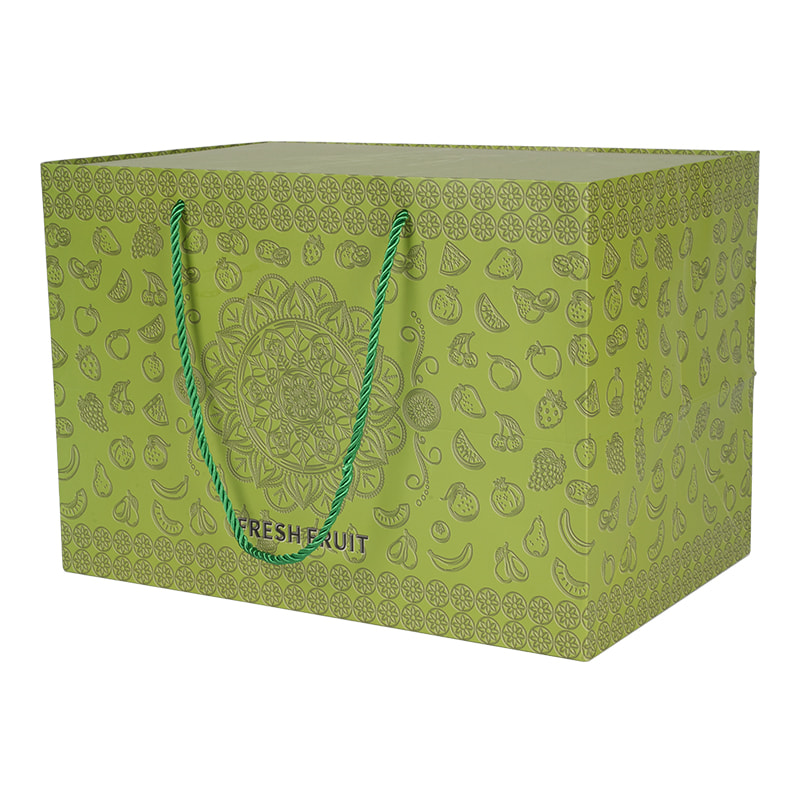
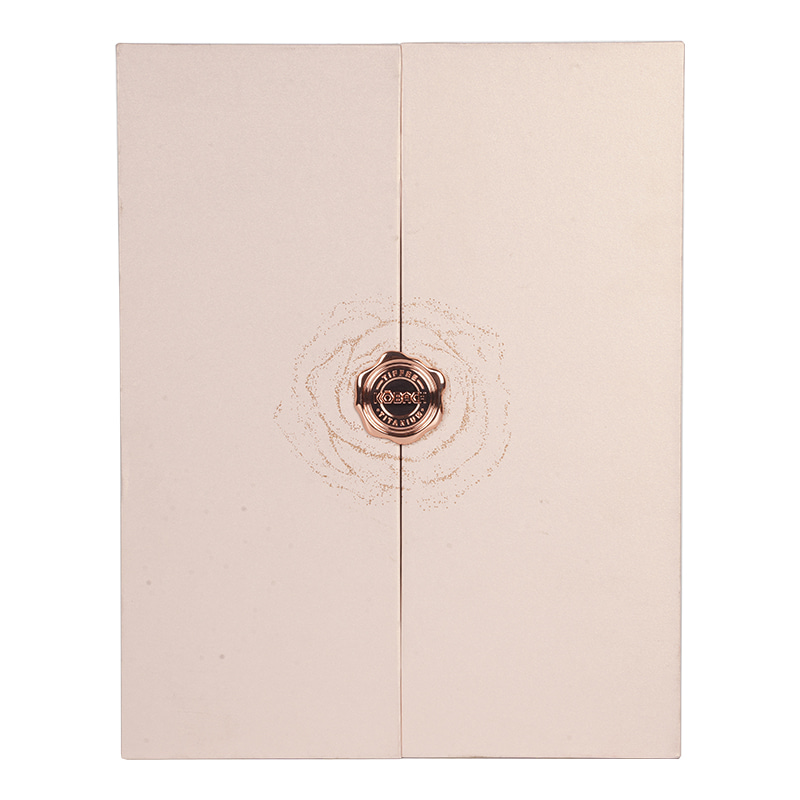
Material selection plays an important role in the development of a Custom Embossed Gift Box. The surface needs to support the desired embossing effect, while the overall material structure needs to match the product, box style, handling requirements, and intended presentation.
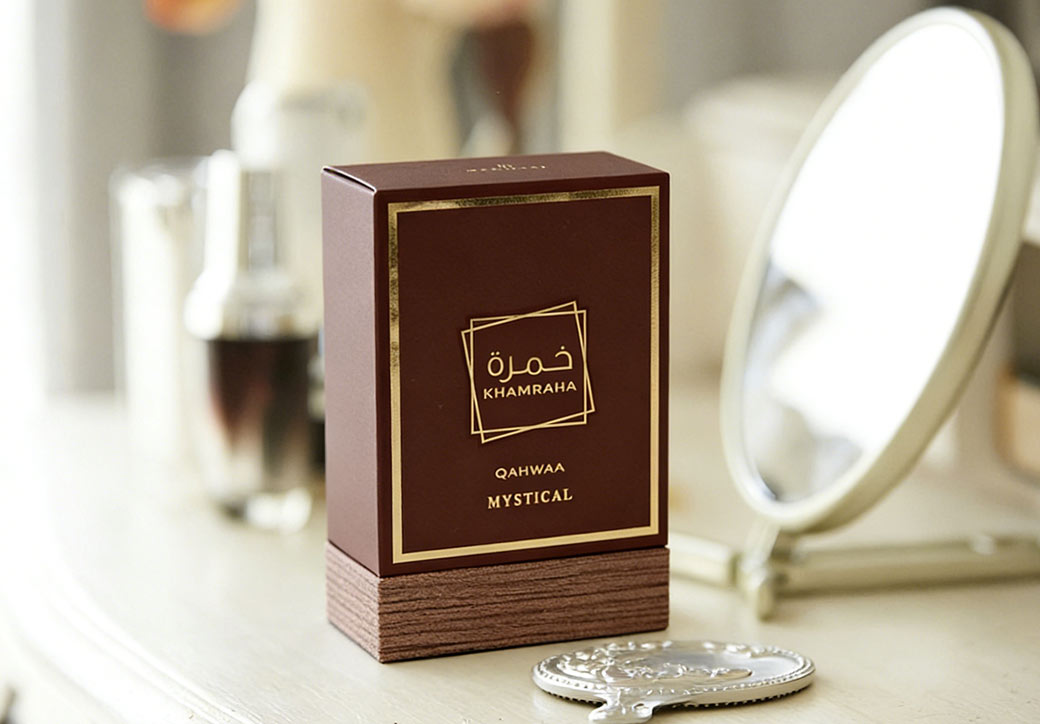
Different paper-based materials can produce different surface results. Their thickness, stiffness, coating, and texture can influence how clearly an embossed logo or pattern appears after processing.
Common Materials for Embossed Gift Boxes
Paperboard is widely used for gift packaging because it can support printing, coating, folding, and decorative finishing. Coated paperboard provides a relatively smooth surface that can work well with printed graphics and raised details.
Kraft paper is another option for packaging designs that use a natural visual style. Its surface can provide a different appearance from coated paper, and it can be combined with simple embossed logos, line patterns, or lettering.
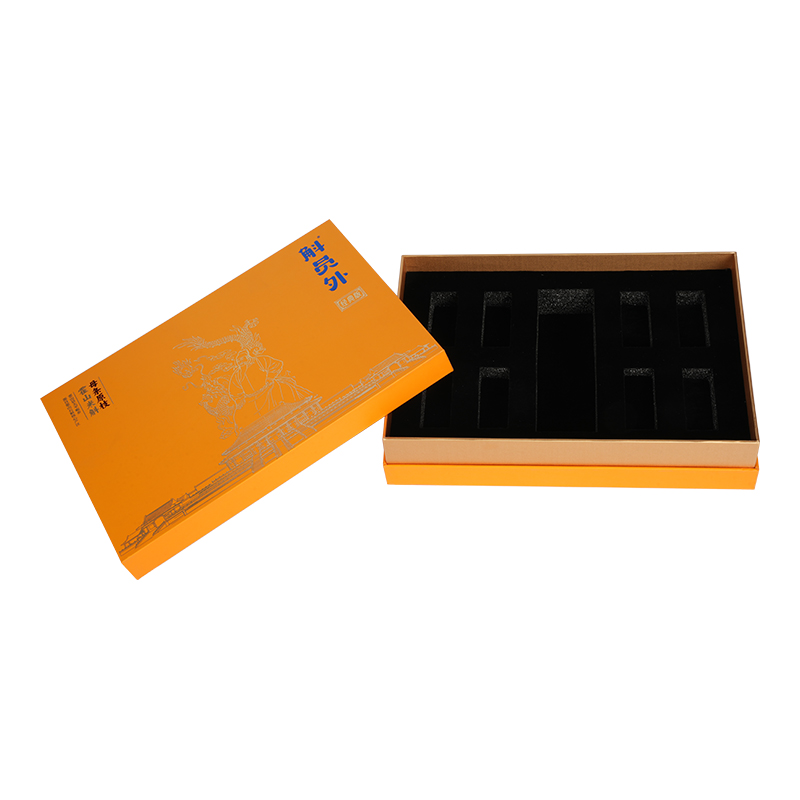
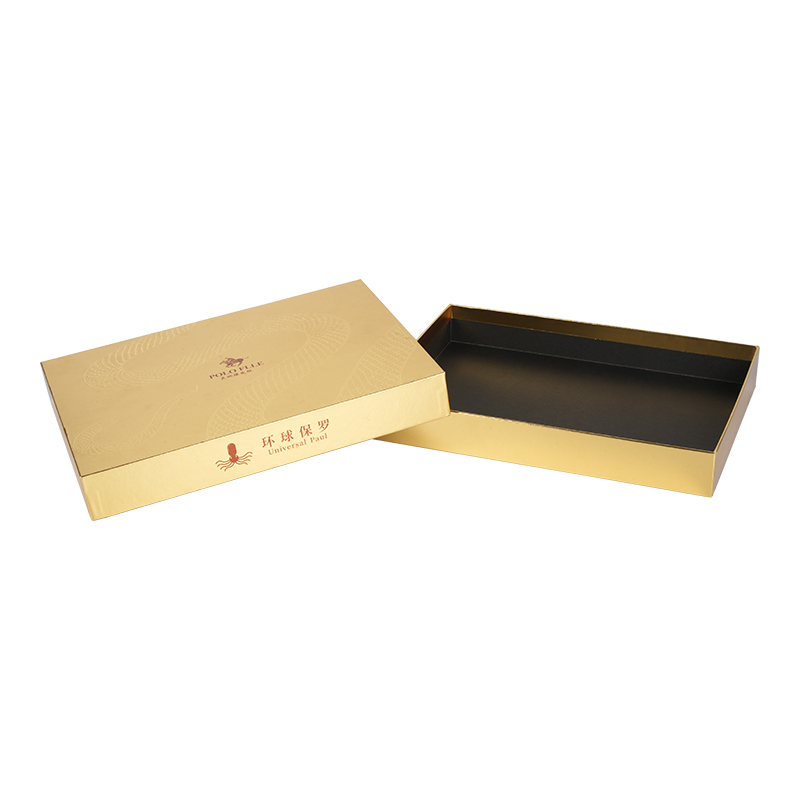
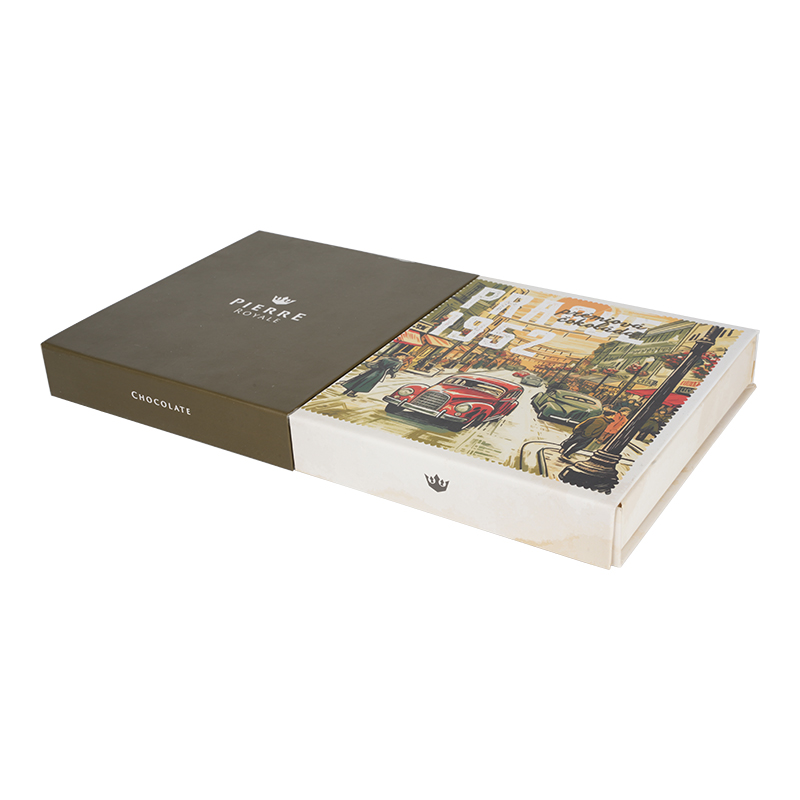
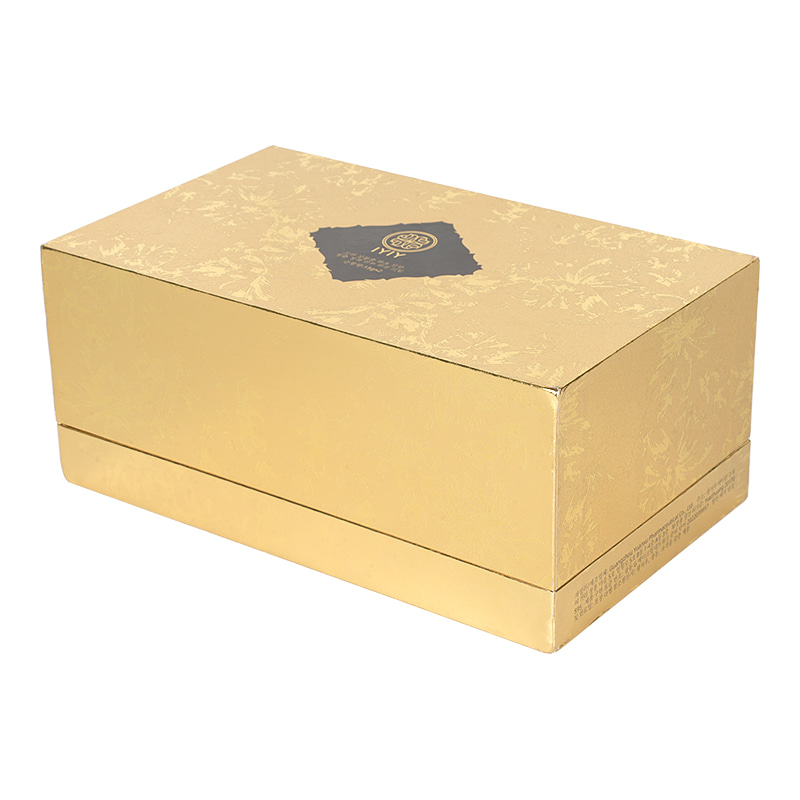
Rigid board is commonly selected for structured gift boxes. It provides a firm base for lid-and-base structures, drawer boxes, and other gift packaging formats. When covered with printed paper or specialty paper, the outer surface can receive additional finishing treatments such as embossing.
Corrugated board may also be considered when packaging requires additional structural support. Its use depends on the product and the required box construction. For a gift box that focuses heavily on surface decoration, the outer paper layer and board structure need to be planned together.
How Material Affects Embossing Details
The material surface can influence the appearance of an embossed design. Smooth surfaces generally provide a clean background for logos, letters, and geometric patterns. Textured surfaces create a different visual effect and may change how small details appear.
Material thickness is also related to the final box structure. A lightweight folding box and a rigid gift box have different construction requirements, so the embossing process needs to match the selected packaging format.
Artwork preparation is another important consideration. Fine lines, small lettering, and detailed illustrations require enough surface area and suitable material support. If the design contains several decorative elements, their spacing and placement should be reviewed before production.
The relationship between material and surface treatment also matters. Embossing may be combined with printing, foil stamping, matte coating, or other finishes. A packaging supplier can evaluate the selected material and finishing combination during sample development.
Matching Materials with Product Applications
Cosmetics packaging often requires a clean surface that can accommodate brand graphics, product information, and decorative elements. Coated paperboard or rigid board can be used depending on the box structure.
Jewelry packaging often uses structured boxes with internal inserts. Rigid board can provide the support needed for a lid, drawer, or compartment-style design. Embossed logos can then be applied to the exterior surface.
Gift sets may require larger boxes with internal dividers or trays. In such cases, material selection needs to consider both exterior appearance and internal construction.
Kraft-based packaging can be suitable for products with a natural or craft-oriented visual direction. Embossed patterns or logos can add surface detail while keeping the design relatively simple.
For custom packaging, material selection should be considered together with box dimensions, structure, artwork, surface finishing, internal inserts, and shipping requirements. This approach helps ensure that the Embossed Gift Box has a suitable balance between appearance and practical packaging performance.