中文简体
中文简体 عربى
عربى
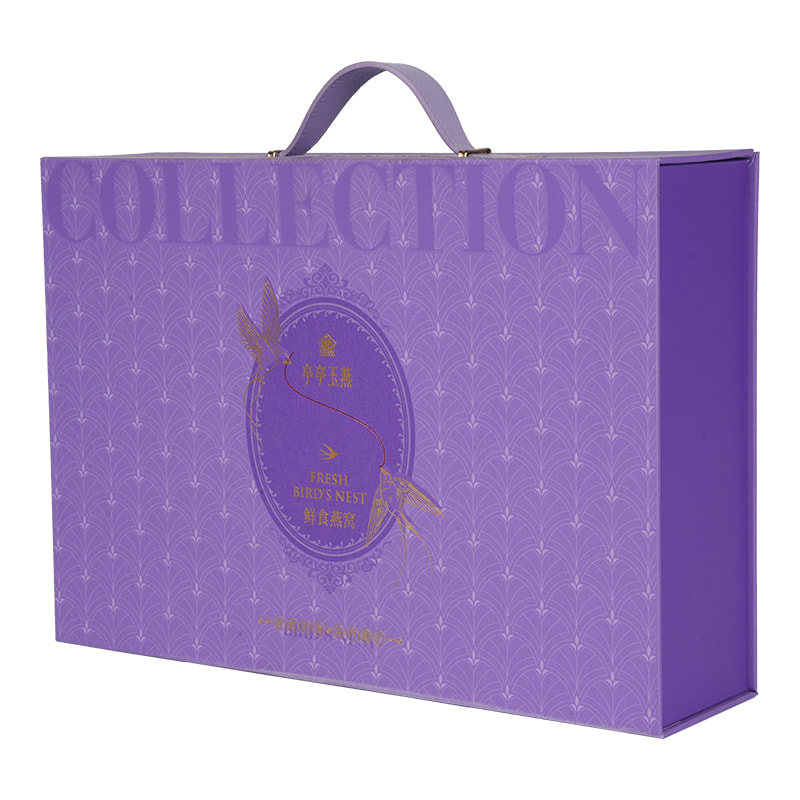
A Custom Paperboard Gift Box can be developed around the size, shape, appearance, and packaging requirements of a particular product. Customization allows buyers to select the box structure, paperboard, printed graphics, logo treatment, internal arrangement, and surface finishing.
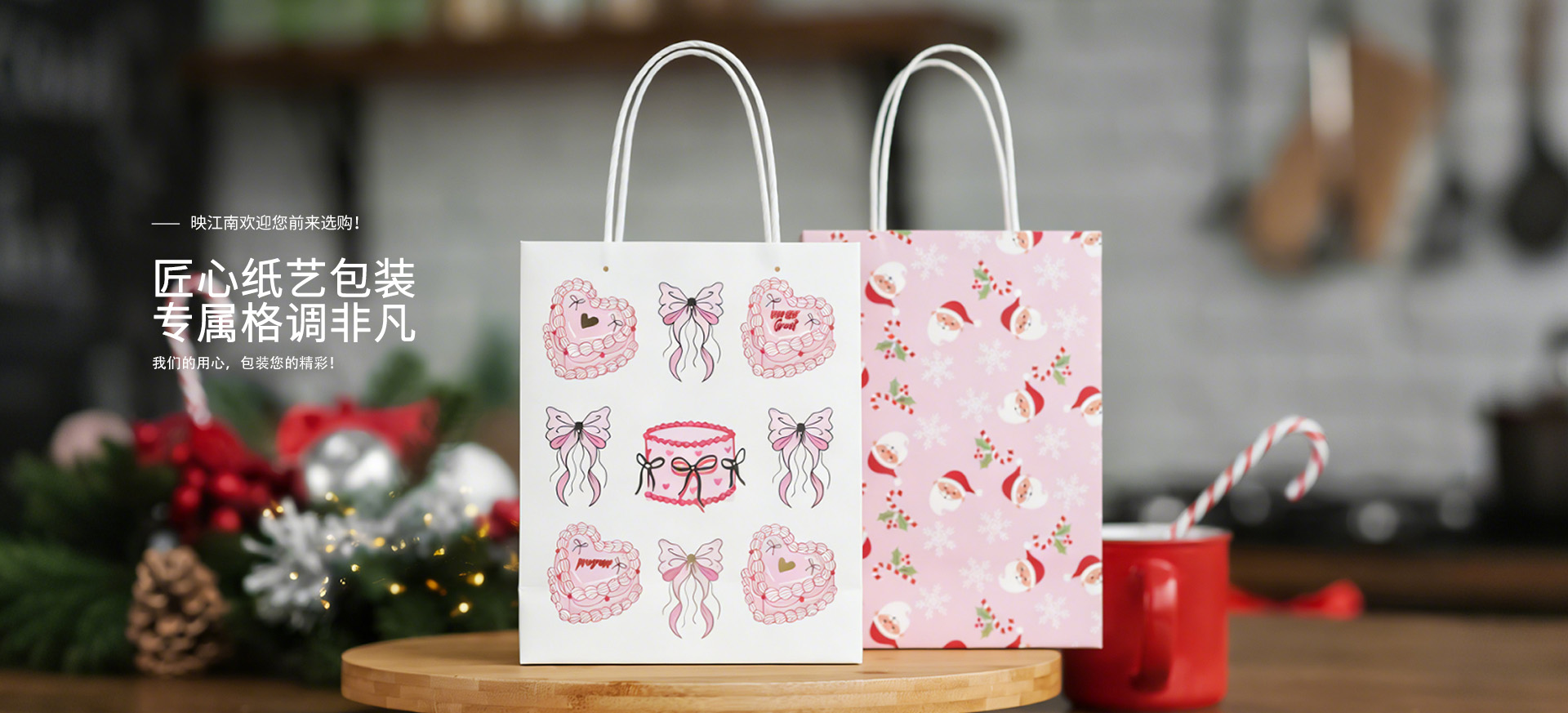
The process generally begins with product dimensions. Measurements influence the internal space, folding lines, panel arrangement, closure method, and insert design.
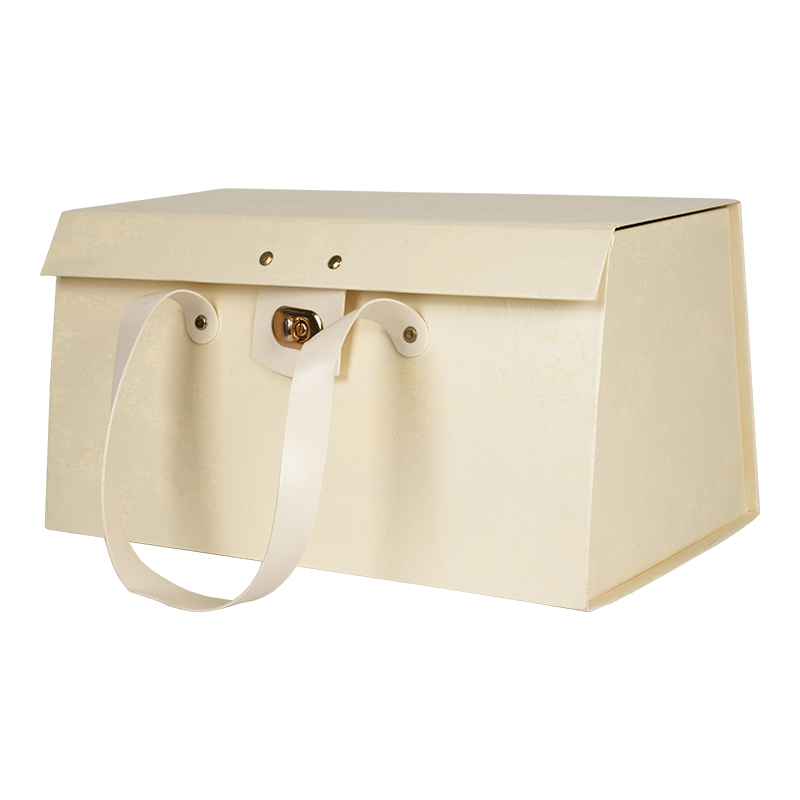
A suitable custom design should also consider how the customer will open, handle, store, and reuse the box. Packaging appearance is important, but the structure needs to support practical use as well.
Selecting a Printing Method
Printing allows paperboard gift boxes to carry logos, product information, patterns, illustrations, and decorative graphics.
Offset printing can be suitable for detailed artwork and larger packaging projects. Digital printing can provide flexibility for certain customized packaging applications and design changes.
CMYK printing can create a broad range of graphic colors through the combination of printing inks. Spot colors can be used when a particular color appearance needs closer control.
White ink can be considered when printing on darker or colored paper surfaces. It can also be used as part of layered graphic effects.
The paperboard surface should be considered before selecting the printing process. Smooth surfaces may produce a different appearance from textured papers.
Logo and Graphic Placement
Logo placement has a direct relationship with the box structure. A logo may be positioned on the lid, sleeve, front panel, side panel, or interior section.
Designers should check folding areas and seams before placing important graphics. A graphic crossing a fold can change appearance after assembly.
Typography should remain readable at the selected size. Product names, instructions, decorative text, and other information should have enough visual space.
Interior printing can also be used to create a coordinated appearance. A printed message inside the lid, for example, can become part of the opening experience.
Foil Stamping for Decorative Details
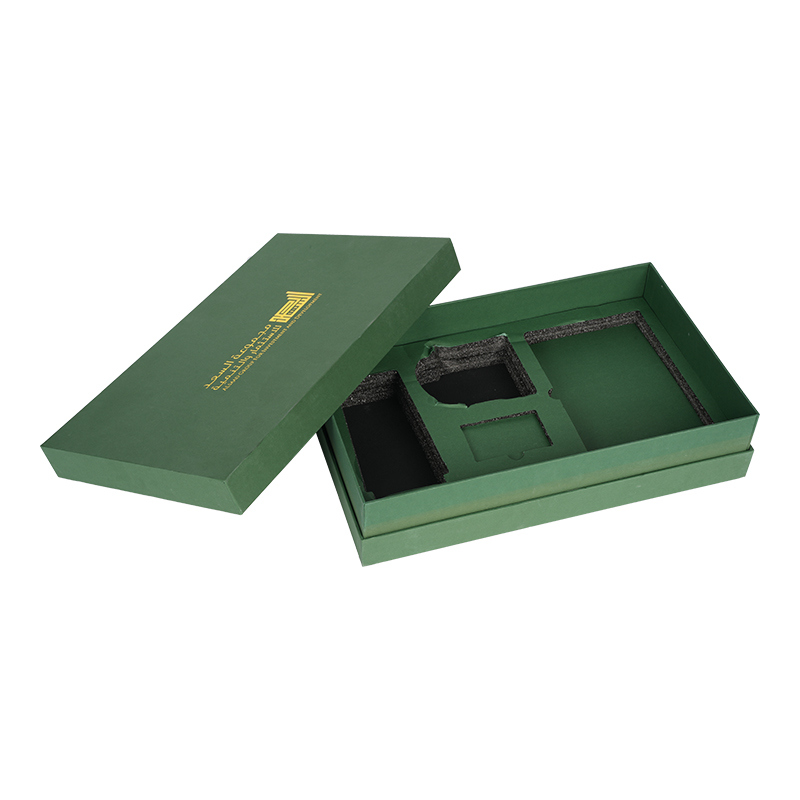
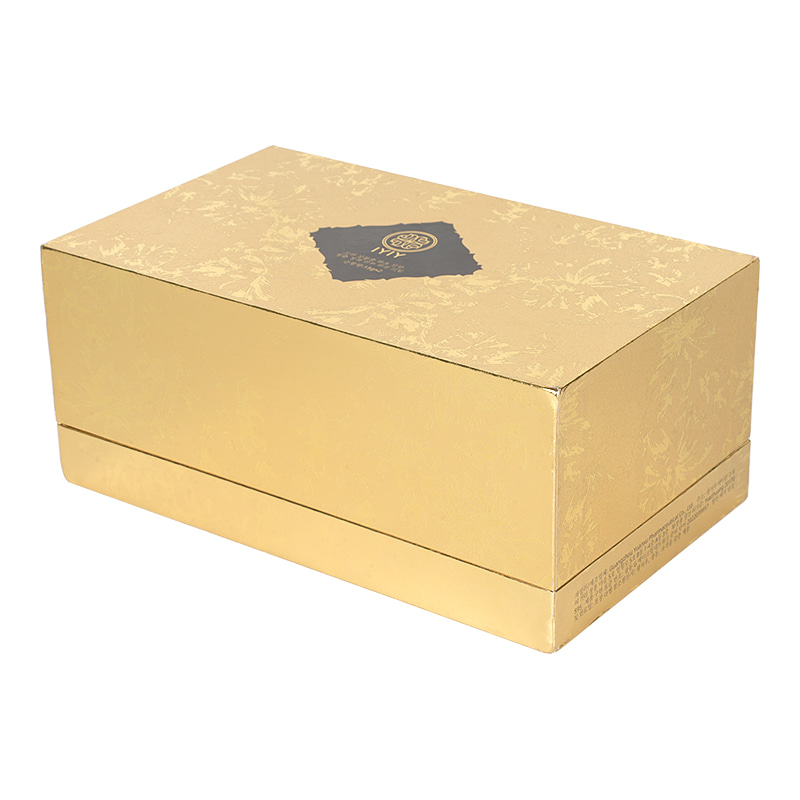
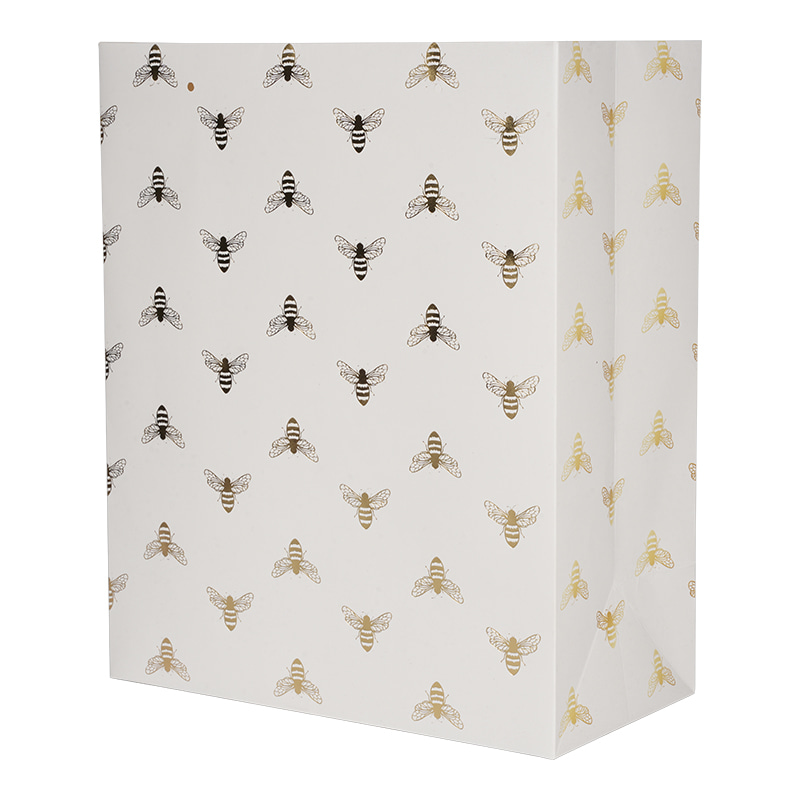
Foil stamping can add metallic or colored details to paperboard gift boxes. Gold, silver, copper, and other foil effects can be applied to logos, borders, lettering, or decorative patterns.
Foil can be combined with printed graphics to create visual contrast. A matte paper surface with a metallic logo can provide a different appearance from a glossy printed surface.
The size and placement of foil details should correspond with the overall design. Small decorative areas can be used to draw attention to selected elements without covering the entire package.
Embossing and Debossing
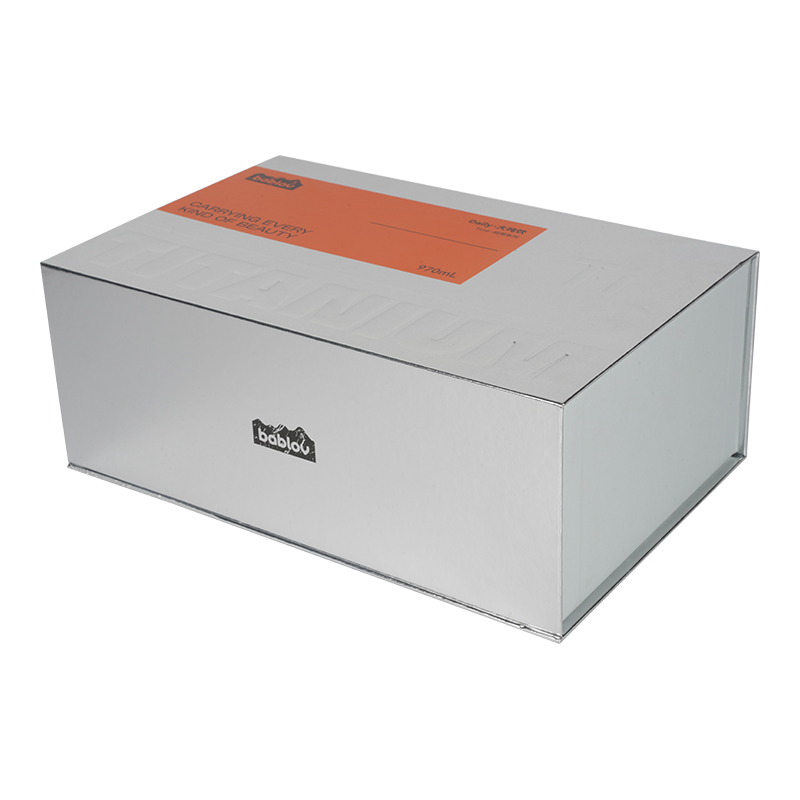
Embossing creates a raised design on the paper surface, while debossing produces an indented effect.
These techniques can be applied to logos, symbols, borders, patterns, and lettering. They can also be combined with foil stamping.
The depth and detail of the effect should be compatible with the paperboard structure. Large areas, fine lines, and complex patterns may require different tooling considerations.
The finished surface should be reviewed together with the printed artwork so that the tactile effect supports the overall packaging design.
UV and Lamination
Spot UV applies a glossy treatment to selected areas of the package. It can be used on logos, images, patterns, or text.
Matte lamination creates a subdued surface appearance and can reduce visible reflection. Gloss lamination provides a more reflective finish and can change the way printed graphics appear.
Soft touch finishing can provide a smooth tactile effect. Each finishing method can produce a different combination of appearance and handling characteristics.
Customization for Different Products
Cosmetic gift boxes may use clean graphics and organized internal compartments. Jewelry boxes can use small product holders and carefully positioned logos.
Food gift boxes may require product-specific internal structures. Candle packaging may combine printed paperboard with protective inserts.
Corporate gift boxes can include several products and may require a combination of compartments, trays, and printed messages.
The custom design should correspond with the product rather than applying the same structure to every application.
Sample Development
A physical sample can help buyers inspect the box before production. The sample allows the dimensions, folding lines, closure, printing, foil, embossing, and insert arrangement to be reviewed together.
The actual product should be placed inside the sample whenever possible. This can reveal fit issues, access problems, or unwanted movement.
Opening and closing the package several times can also help evaluate the closure and overall handling experience.
Practical Design Considerations
When preparing a Custom Paperboard Gift Box, buyers can define the product dimensions, material preference, box structure, printing requirements, logo treatment, surface finish, insert design, and transportation conditions.
A clear specification can help the packaging supplier understand the intended application and develop a design that balances appearance, product protection, assembly, and customer handling.