中文简体
中文简体 عربى
عربى
A Paperboard Gift Box can provide a practical packaging format for gifts, retail products, cosmetics, food items, candles, accessories, and promotional sets. The material used for the box affects its appearance, folding behavior, rigidity, printing surface, and handling experience.
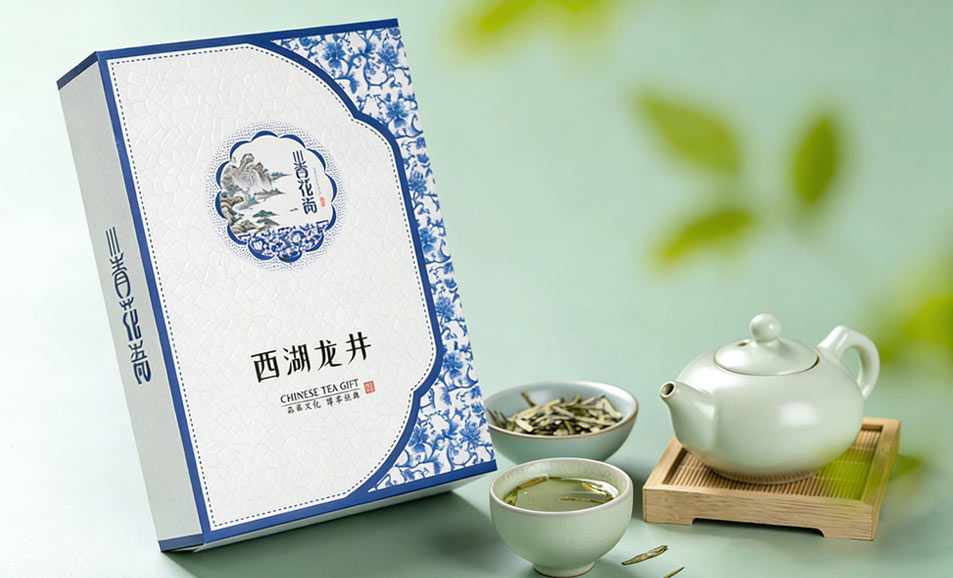
Paperboard is available in different grades and surface finishes, allowing packaging designers to select a material according to the product and intended application. A gift box for lightweight products may require a different paperboard structure from a box designed to hold a glass container or a product set.
Material selection should therefore begin with the product itself. Product weight, dimensions, shape, transportation conditions, storage environment, and visual requirements can all influence the packaging specification.
Common Paperboard Options
Kraft paperboard is often associated with a natural paper appearance. Its surface can support simple graphics, illustrations, logos, and decorative patterns. It can work well for gift packaging concepts that use an organic visual theme.
White paperboard provides a clean surface for printed graphics and product information. It can support colorful artwork, text, patterns, and customized packaging designs.
Art paper can be used as an outer wrapping material for certain box structures. Its smooth surface can support detailed printing and decorative finishing.
Recycled paperboard is another option for projects with environmental considerations. Its appearance can vary according to the material composition and manufacturing process.
FBB and SBS paperboard are also used in packaging applications where printing and folding performance are important. The suitable choice depends on the box structure, printing method, product requirements, and desired appearance.
Paperboard Thickness and Box Structure
The thickness and construction of paperboard can influence the overall behavior of a gift box. Folding boxes need enough support to maintain their shape while still allowing clean creasing and assembly.
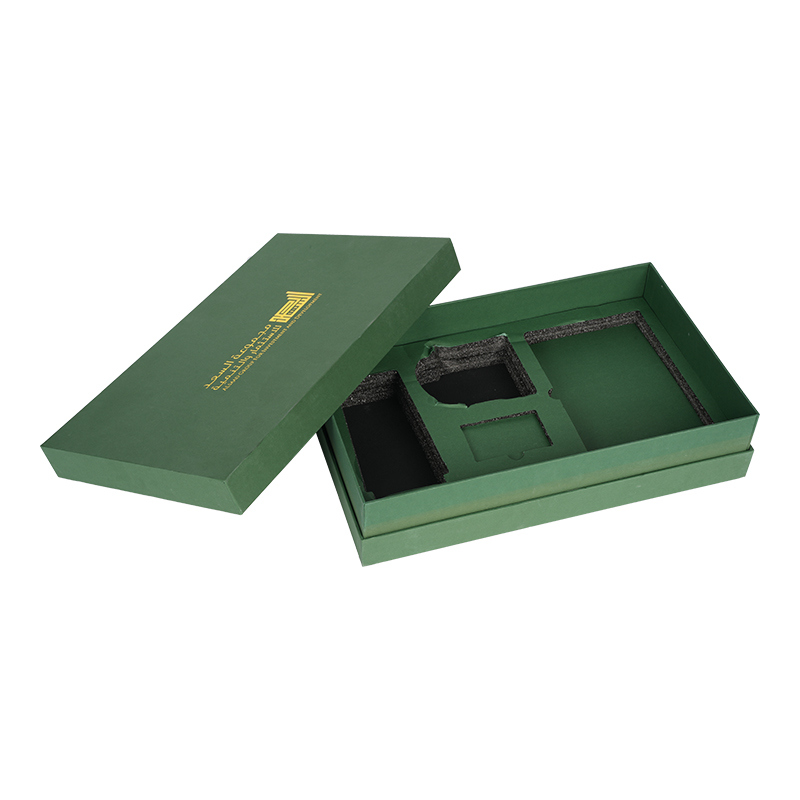
A lid and base box uses separate sections for the cover and body. This format can be adapted for gift sets, cosmetics, food products, and personal accessories.
A sleeve box places an inner tray or product package inside an outer sleeve. It can create a layered presentation while keeping the product enclosed.
A drawer box uses a sliding inner section. This structure can provide a different opening experience and can include internal compartments.
A window box includes a transparent opening that allows the product or selected part of the contents to remain visible. This format can be useful for retail products where visual inspection is part of the purchasing process.
Matching Materials With Products
Food packaging requires careful consideration of the material and any coating or inner layer that may be required by the application. Chocolate, tea, candy, and other gift foods can use printed paperboard structures with suitable internal protection.
Cosmetic packaging may need compartments for bottles, tubes, jars, palettes, or accessory products. The paperboard needs to work together with the internal insert.
Jewelry packaging usually requires compact spaces that keep small products organized. Paperboard can be shaped into compartments or combined with another insert material.
Candle packaging may need additional internal support because glass containers can be heavy and vulnerable to impact. A suitable box structure can help keep the product positioned during handling.
Corporate gift packaging often contains several items. In such cases, the box may need multiple compartments, trays, or layered sections.
Printing and Surface Compatibility
The surface of the paperboard affects the appearance of printed graphics. Smooth paperboard can provide a suitable base for detailed artwork, while textured paper can create a tactile effect.
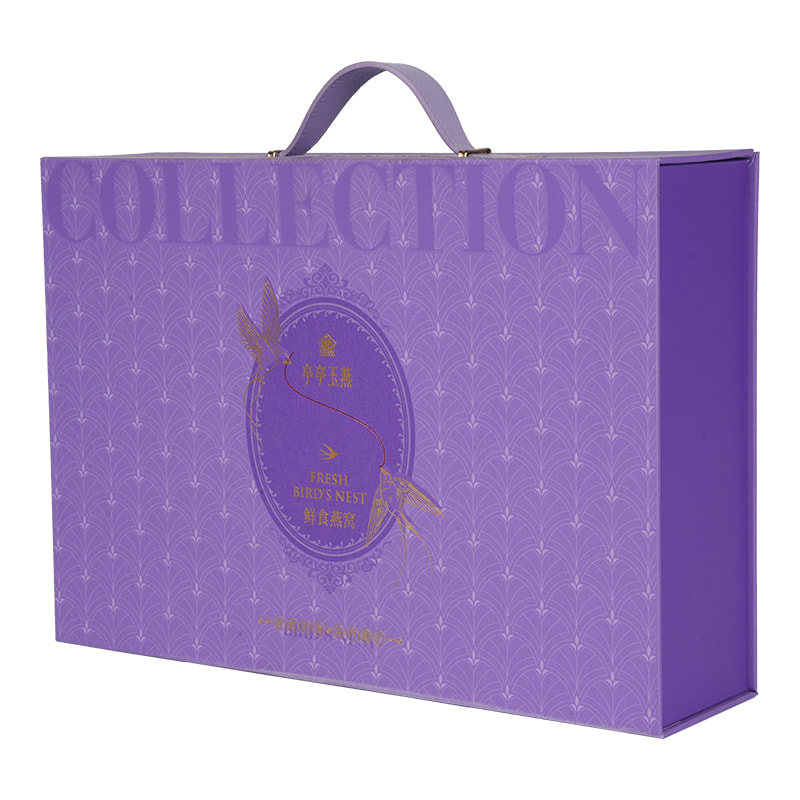
Printing methods should be selected according to the paper surface and graphic requirements. Logos, product information, illustrations, patterns, and decorative elements can be arranged across the exterior and interior.
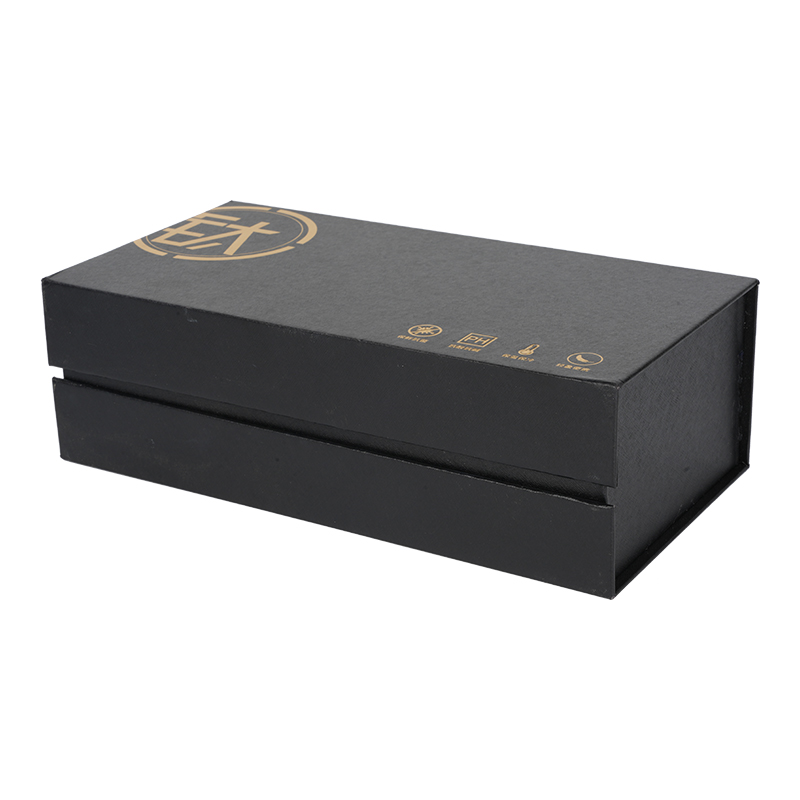
Surface finishing can include foil stamping, embossing, debossing, matte lamination, gloss lamination, or spot UV. The chosen treatment should be compatible with the paperboard and overall packaging concept.
Storage and Transportation Considerations
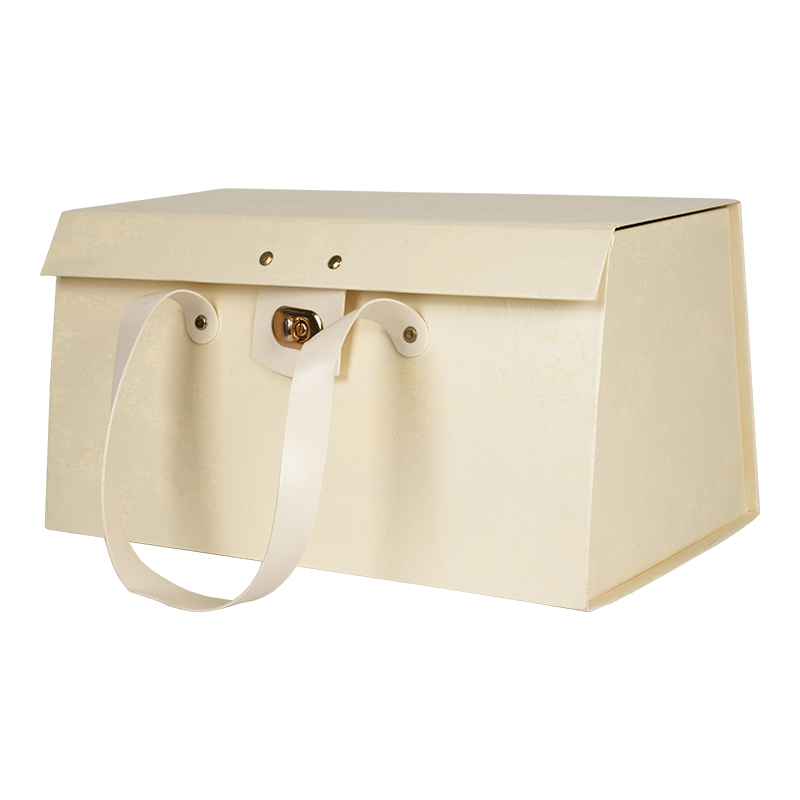
Gift boxes may be stored in flat or assembled conditions depending on the structure. Folding paperboard boxes can occupy less storage space before assembly.
Finished boxes need appropriate handling during transportation. Corners, folds, closures, and printed surfaces can all be affected by pressure or friction.
When the package contains a fragile product, the outer box should work with an internal insert or cushioning structure. This creates a packaging system in which the box and internal support perform different functions.
Choosing Paperboard for a Gift Box
Buyers can review the product dimensions, product weight, box structure, printing needs, finishing requirements, environmental preferences, and transportation conditions before selecting a paperboard material.
A suitable combination of paperboard, structure, printing, and internal support can help create packaging that provides product protection while presenting the gift in an organized and attractive format.