中文简体
中文简体 عربى
عربى
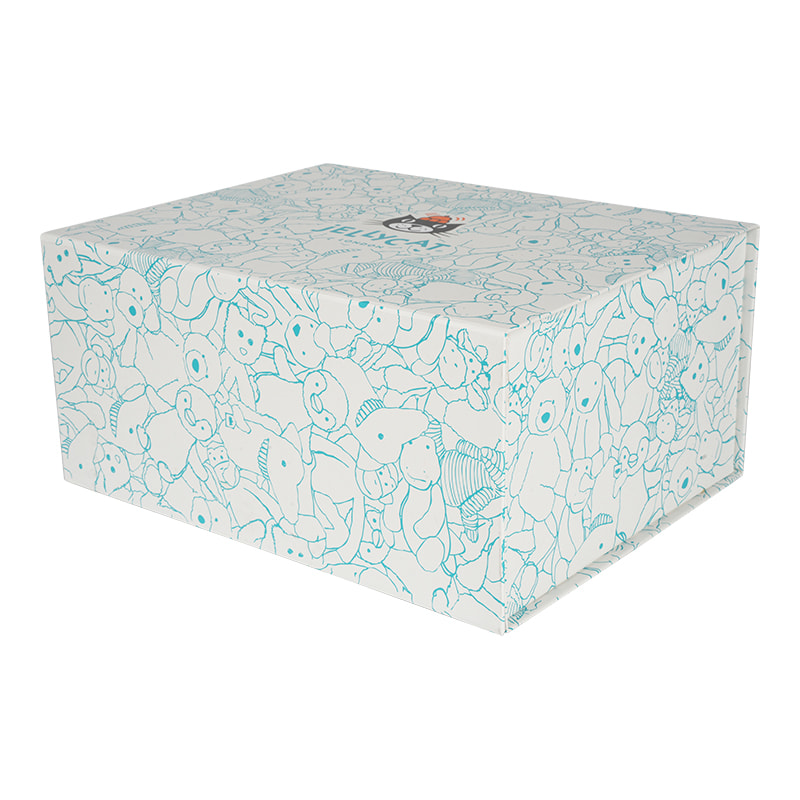
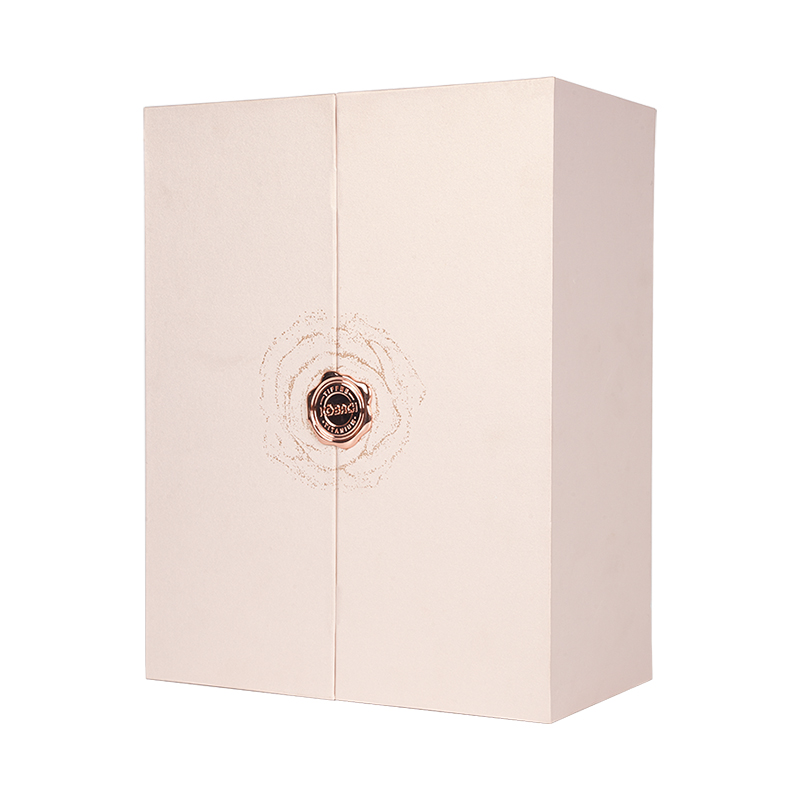
A Custom Size Gift Box is designed around the shape, dimensions, and presentation needs of a specific product. Instead of placing a product into a standard box with unused space, custom packaging allows the box structure to be developed according to the item being packed. This approach can be useful for cosmetics, jewelry, candles, accessories, gift sets, and other products that require a coordinated packaging solution.

Start with the Product Dimensions
The product itself should be the starting point when planning a Custom Size Gift Box. Length, width, and height need to be measured carefully so that the interior of the box can accommodate the product without creating unnecessary space.
Products with irregular shapes may require additional consideration. A bottle with a curved body, a set containing several small items, or a product with delicate components may need a different internal arrangement from a simple rectangular item.
The way the product will sit inside the box also affects the required dimensions. A product can be positioned horizontally, vertically, or at an angle depending on its shape and the desired presentation. When several products are placed together, their arrangement should be considered before the external box dimensions are finalized.
Consider Clearance and Internal Protection
A box should not be designed around the exact external dimensions of a product without considering internal clearance. Some space may be needed for inserts, wrapping materials, protective components, or easy product removal.
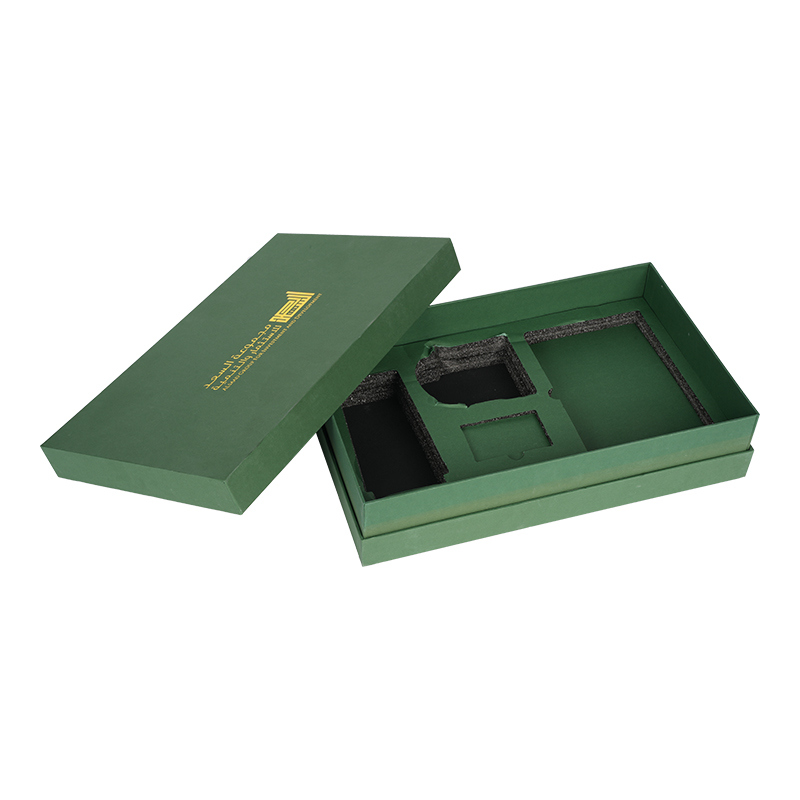
For fragile products, internal support is particularly important. A suitable insert can keep the item in position and reduce movement during handling. Paperboard dividers, molded pulp components, foam inserts, and other support materials can be selected according to the product.
Clearance should also support a practical opening experience. If the product fits too tightly, removing it from the box can become inconvenient. If there is excessive unused space, the product may move inside the package and the overall presentation can appear less organized.
Match the Box Structure to the Product
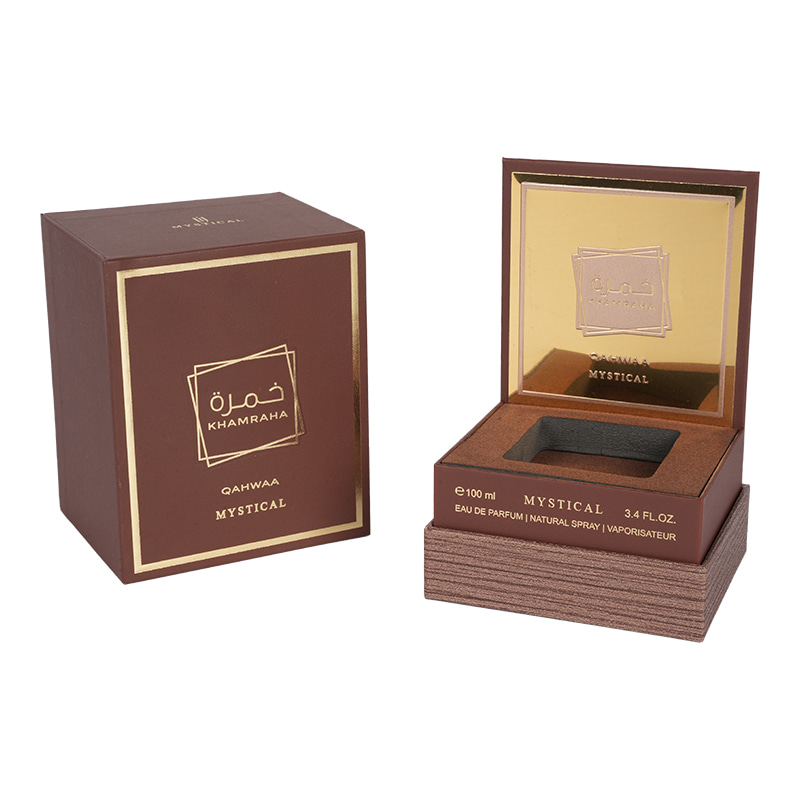
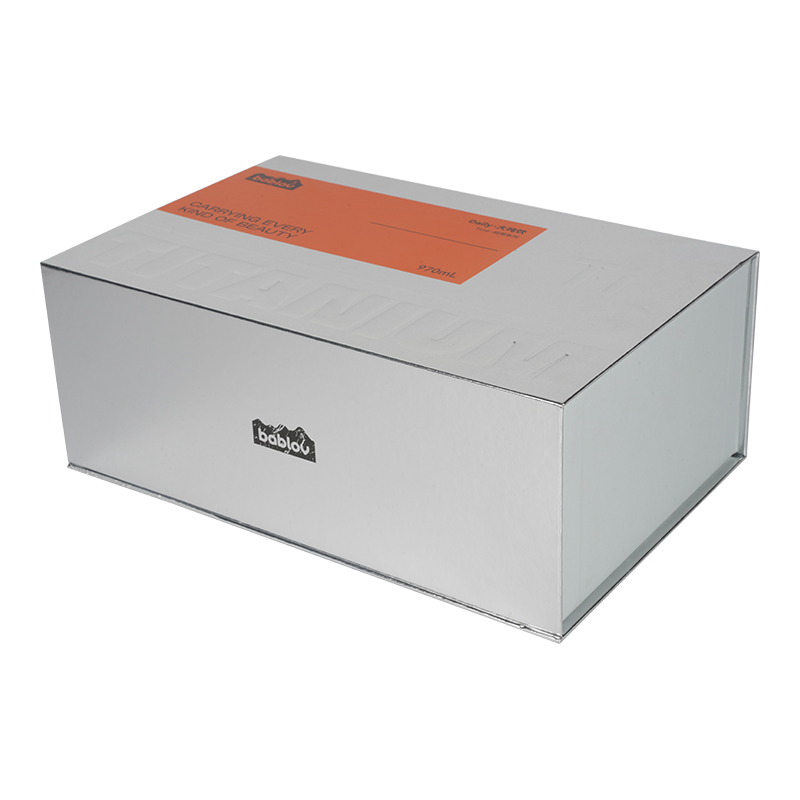
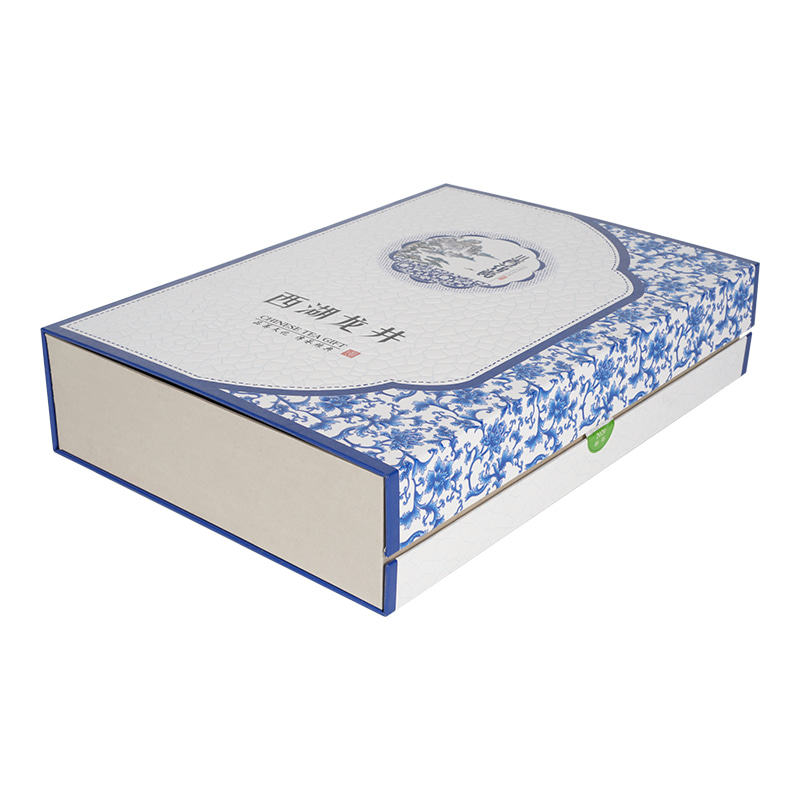
The dimensions of the box are closely connected to its structure. A lid-and-base box may work well for gift sets and rigid products, while a drawer box can provide a different opening method. Folding cartons can be suitable for lighter products, and sleeve structures can be combined with an inner tray.
The selected structure also affects how the product is displayed. A wide lid can provide space for a logo or decorative pattern, while a drawer front can carry branding and product information.
When the box contains several products, the internal layout becomes an important part of the design. Compartments can separate individual items and create a clear arrangement when the package is opened.
Consider Materials and Surface Finishes
After the dimensions and structure are established, material selection can be considered. Paperboard, kraft paper, rigid board, and corrugated materials can serve different packaging purposes.
Surface finishes can also influence the final appearance. Printing, embossing, debossing, foil stamping, matte lamination, and soft-touch coatings can be combined with a custom box structure according to the packaging design.
The material and finishing process should be compatible with the box construction. A design with detailed graphics may require a suitable smooth surface, while a natural packaging concept may use kraft material with simple printed or embossed details.
Review the Complete Packaging Layout
A Custom Size Gift Box should be considered as a complete packaging system rather than an exterior shell. Product dimensions, internal clearance, insert design, opening method, material, artwork, and finishing all need to work together.
Before production, a sample or structural prototype can help verify whether the product fits correctly and whether the internal arrangement provides the intended presentation. It can also reveal potential issues with lid clearance, insert placement, product removal, and box assembly.
For custom packaging projects, defining these requirements early can make communication between the packaging designer, manufacturer, and purchasing team clearer.