中文简体
中文简体 عربى
عربى
A Custom Luxury Paper Box allows packaging to be developed around a particular product, visual identity, and customer experience. Instead of using a fixed box format, buyers can select dimensions, materials, structures, printing methods, surface treatments, and internal components.
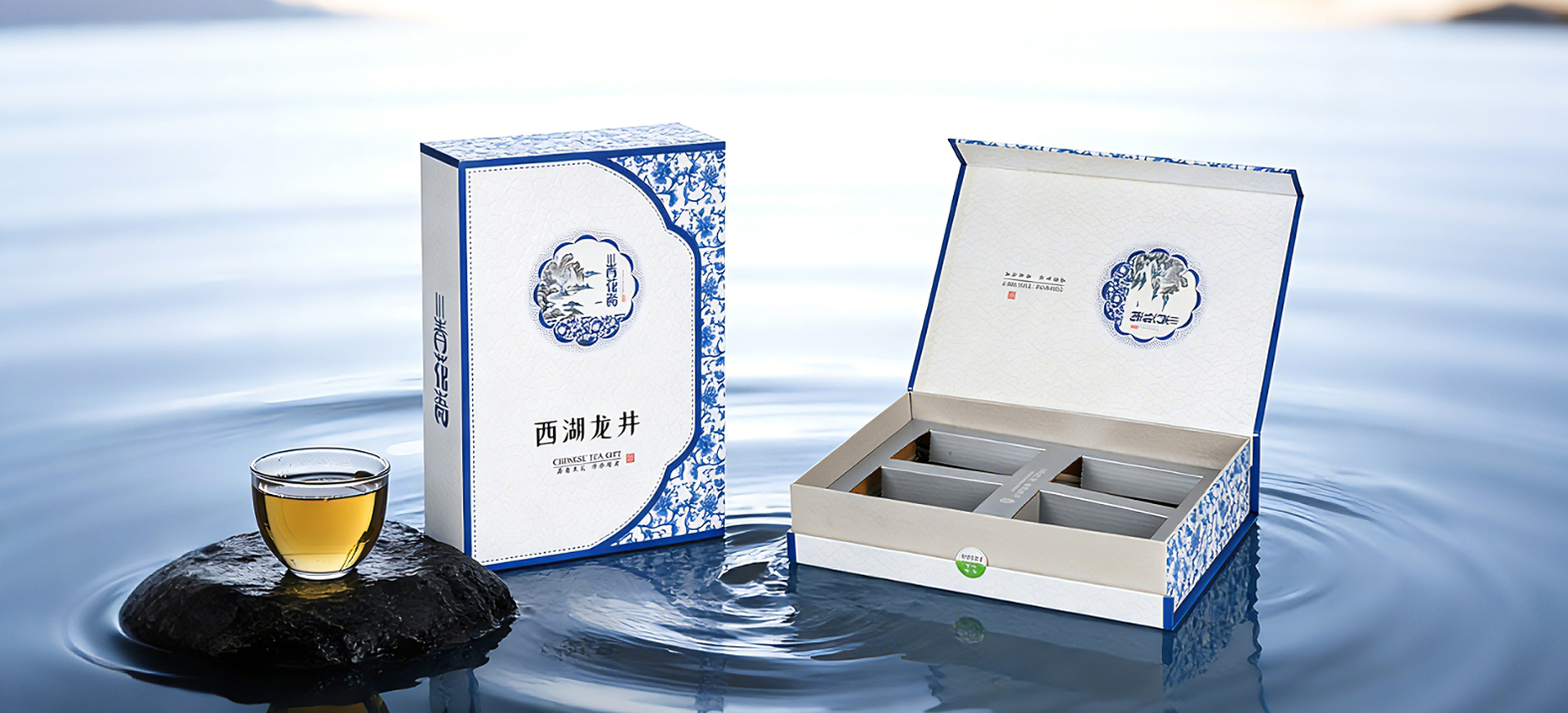
Custom packaging can be useful when a product has an unusual shape or requires specific protection. It can also help coordinate the appearance of the package with labels, product containers, retail displays, and promotional materials.
The design process normally begins with the product dimensions and packaging purpose. These details influence the box structure, opening method, internal space, and material selection.
Choosing a Box Structure
Different opening structures create different packaging experiences.
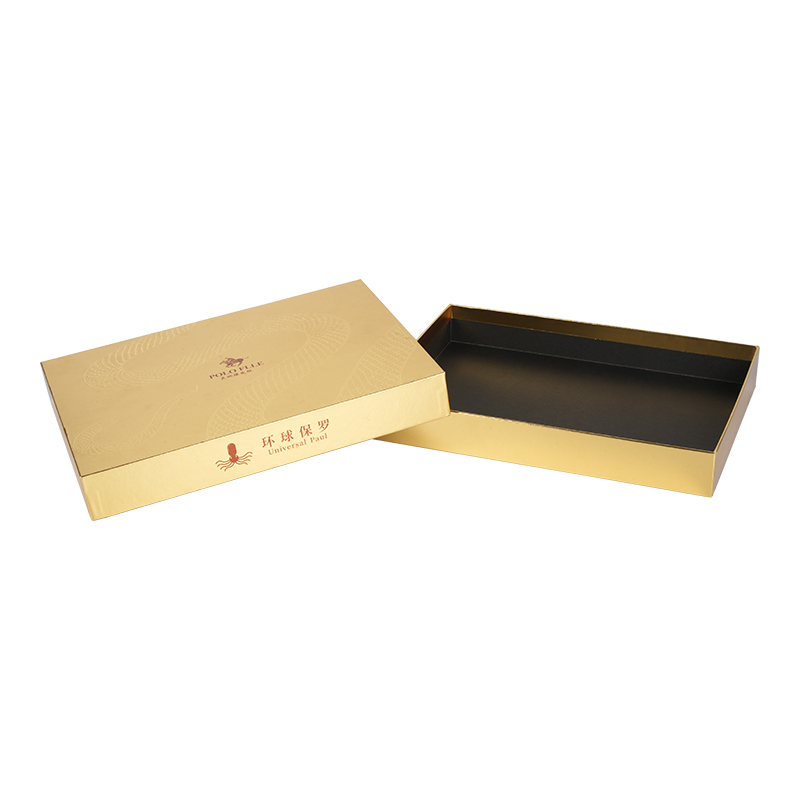
A lid and base box uses a separate upper section and lower section. It provides a simple format for many gift and retail products.
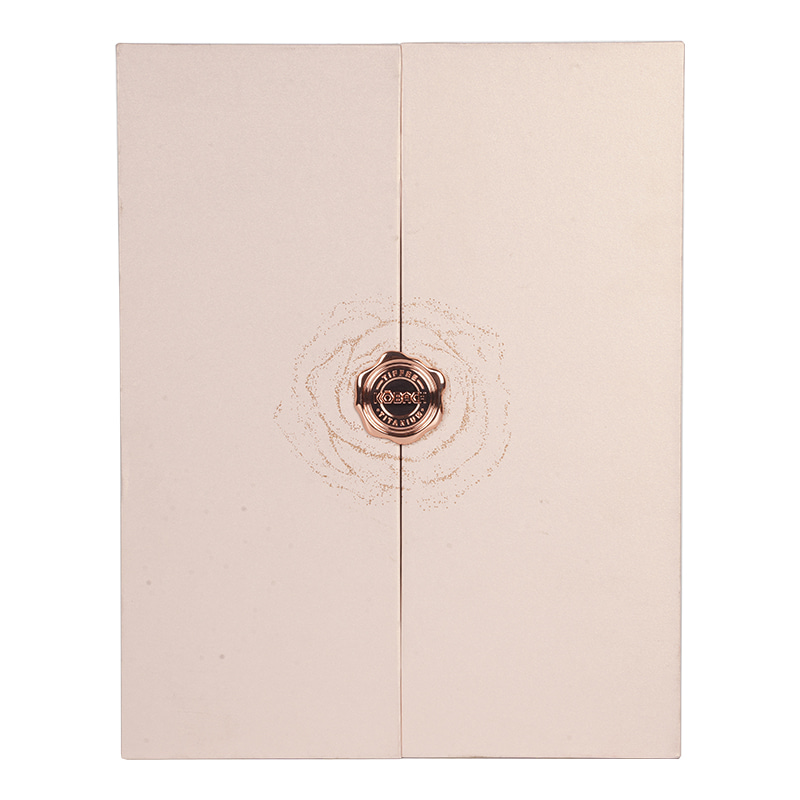
A magnetic closure box uses magnets integrated into the structure. The closure can provide a clean appearance while keeping the lid securely positioned.
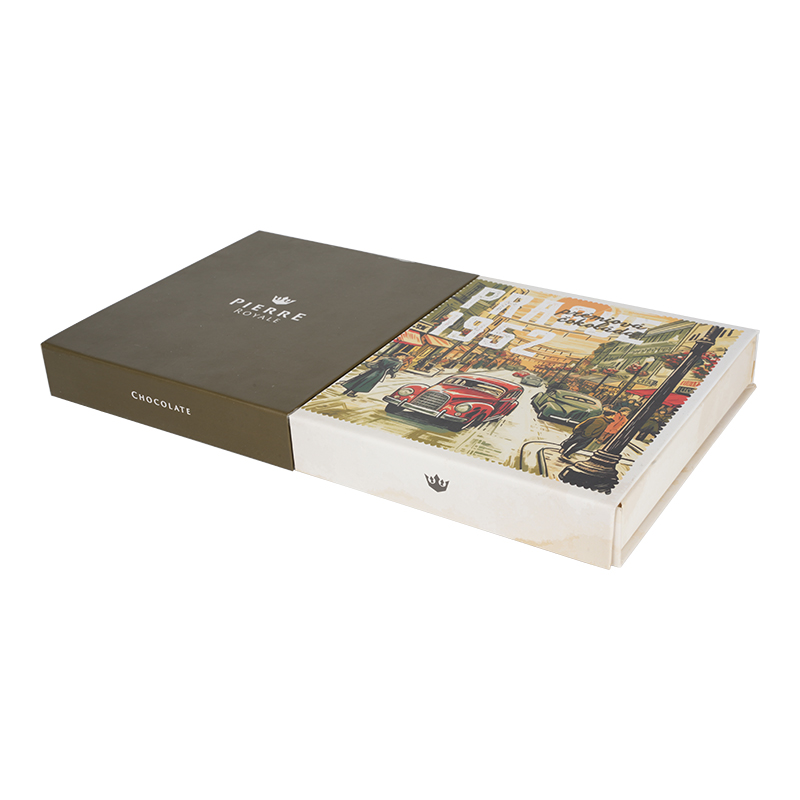
A drawer box uses an inner tray that slides through an outer sleeve. This arrangement can provide an interesting presentation while keeping the product enclosed.
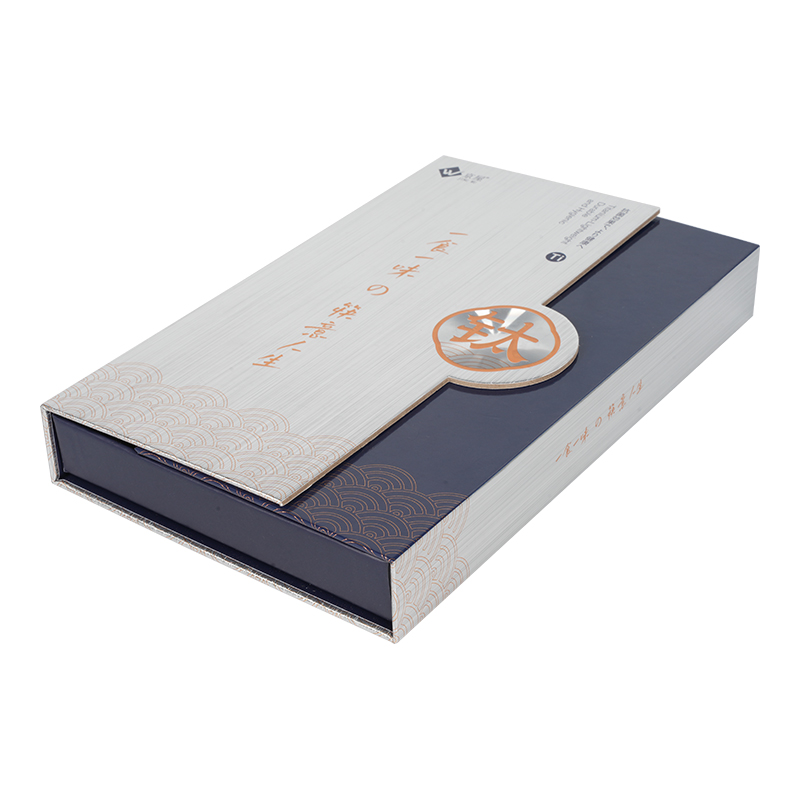
A book style box opens from one side and can include internal trays, pockets, or compartments.
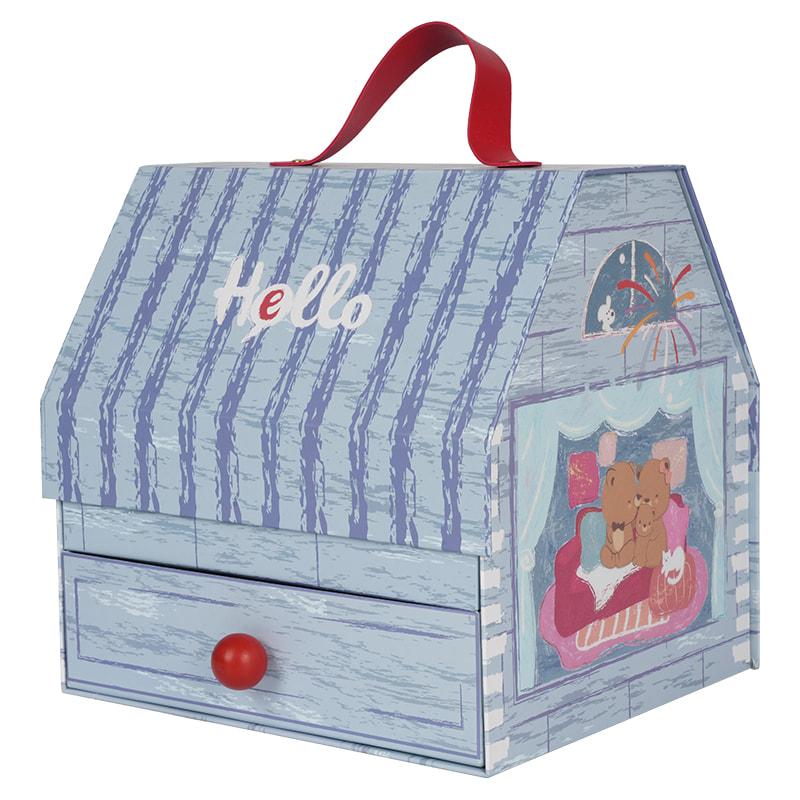
Folding rigid structures can be useful when storage and transportation space require additional consideration.
Printing and Graphic Design
Printing is an important part of custom paper packaging. Graphics can include logos, patterns, product information, illustrations, colors, and decorative elements.
The selected paper surface can affect how printed graphics appear. Smooth papers may support detailed images, while textured papers create a different visual and tactile effect.
Color selection should correspond with the overall packaging concept. Strong contrast can improve readability, while coordinated colors can create a unified appearance.
Logo placement should also be planned with the box structure in mind. A logo positioned across a folding area or near a closure may not produce the desired visual effect.
Foil Stamping
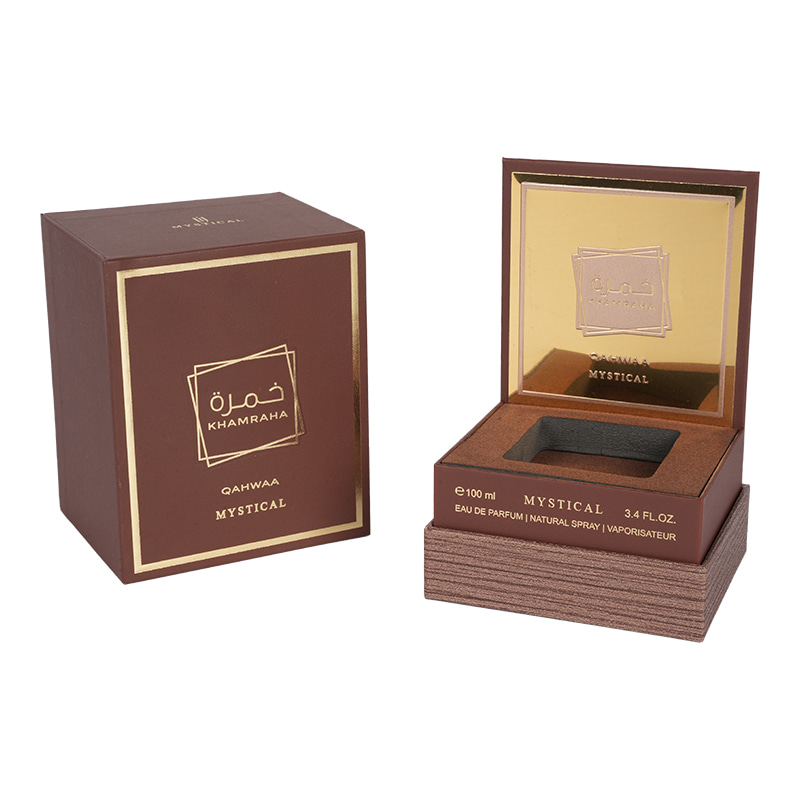
Foil stamping can add metallic or decorative details to a paper box. It is often used for logos, borders, lettering, symbols, and selected graphic elements.
Gold, silver, copper, and other foil appearances can create contrast against matte or textured paper.
The design should consider the size and position of the foil elements. Excessive decorative details can make the package visually crowded, while carefully positioned elements can support a clear presentation.
Foil selection should also be compatible with the paper surface and production method.
Embossing and Debossing
Embossing creates a raised surface, while debossing creates an indented effect. Both techniques can add texture to logos, patterns, borders, and lettering.
These processes can be combined with printing or foil stamping. For example, a logo may be embossed and then finished with metallic foil.
The depth and size of the design should correspond with the selected paper and board structure. Fine details may require careful preparation to maintain a clear result.
Matte and Gloss Finishing
Lamination can change the surface appearance and tactile quality of a paper box.
Matte finishing provides a subdued surface with reduced visual reflection. It can work with simple graphics, dark colors, or textured packaging concepts.
Gloss finishing creates a more reflective surface and can enhance selected printed graphics.
Spot UV can be applied to specific areas instead of covering the entire surface. This technique can create contrast between different parts of the package, such as a printed background and a highlighted logo.
Custom Logo Presentation
Logo design should be considered together with the box structure, paper type, and finishing method.
A logo can be printed directly onto the surface or combined with foil, embossing, debossing, or spot UV.
Typography should remain clear at the chosen size. Decorative elements should support the product identity without making important information difficult to read.
The exterior and interior can also use related design elements to create visual continuity when the customer opens the box.
Prototype and Sample Development
A sample can help buyers evaluate the actual packaging before production. Structural dimensions, paper texture, printing, finishing, closure performance, and insert compatibility can all be reviewed during this stage.
The prototype should be checked with the actual product whenever possible. This allows buyers to identify issues involving fit, product access, movement, or protection.
Opening and closing the sample several times can also reveal whether the selected structure provides the expected user experience.
Practical Customization
Custom packaging should balance appearance with practical requirements. A decorative surface is useful only when the underlying structure supports the product.
Buyers can review product dimensions, storage conditions, shipping requirements, opening method, internal protection, and accessory compatibility before confirming the design.
The manufacturing process should also be considered. Certain materials and finishing methods may require specific production conditions.
Selecting a Custom Packaging Solution
When choosing a Custom Luxury Paper Box, buyers can compare paper types, board construction, box structure, printing methods, surface finishing, internal inserts, and assembly requirements.
A clear packaging specification can help reduce design changes during production. By considering the product and customer experience together, buyers can create packaging that combines visual presentation with practical product protection.