中文简体
中文简体 عربى
عربى
A Luxury Paper Box combines paper based materials with a carefully planned structure to create packaging for gifts, cosmetics, jewelry, food, fragrance products, and other goods. Material selection affects the appearance, surface feel, rigidity, printing quality, and protection provided by the box.
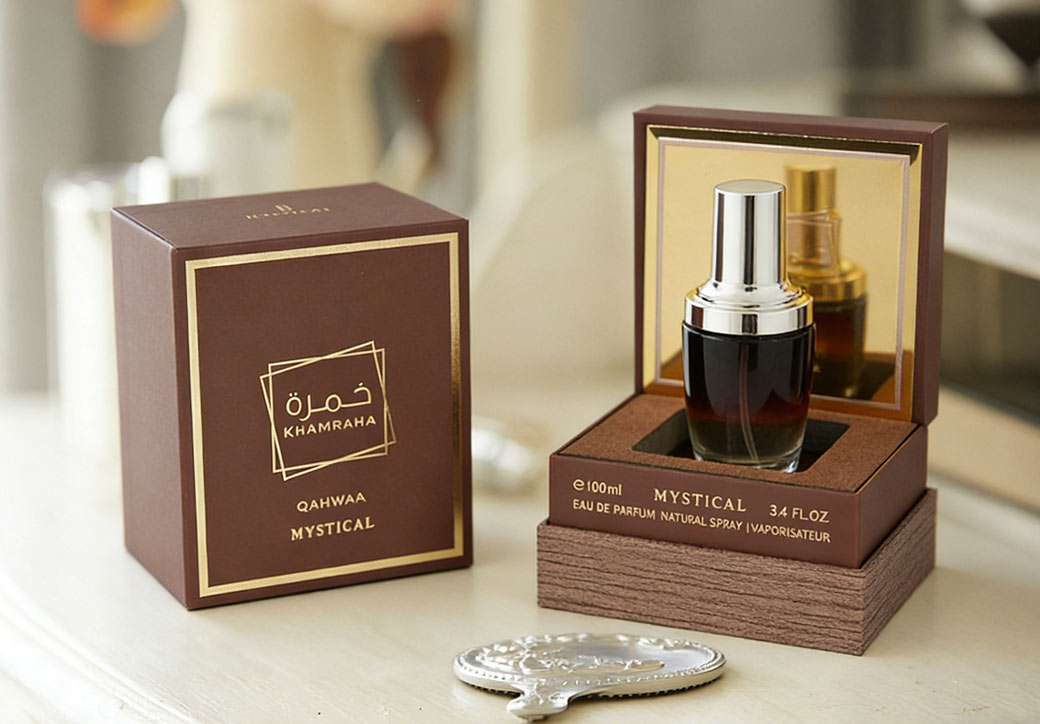
Different products require different packaging characteristics. A lightweight gift may work with a folding paper structure, while a delicate product may require a rigid box with an internal tray. The packaging material should therefore be selected according to the product itself, rather than based only on appearance.
Paperboard, rigid board, kraft paper, art paper, textured paper, and recycled paper can all serve different purposes. Some materials provide a smooth surface for detailed printing, while others create a natural texture that fits a particular packaging concept.
Common Paper and Board Materials
Rigid board is widely used when the package needs a firm structure. It can form the internal body of a box and provide support for the outer wrapping paper.
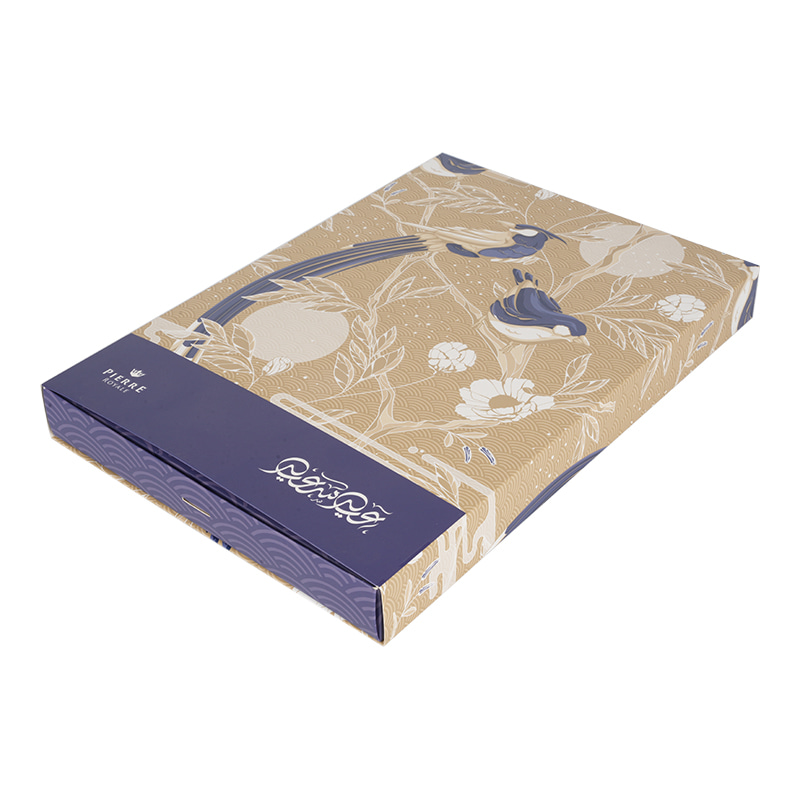
Art paper is often selected when printing quality and a smooth appearance are important. It can be printed with graphics, patterns, text, and decorative elements.
Kraft paper provides a natural visual character and can work well with packaging concepts that emphasize a paper based appearance. Its texture can also complement simple graphic designs.
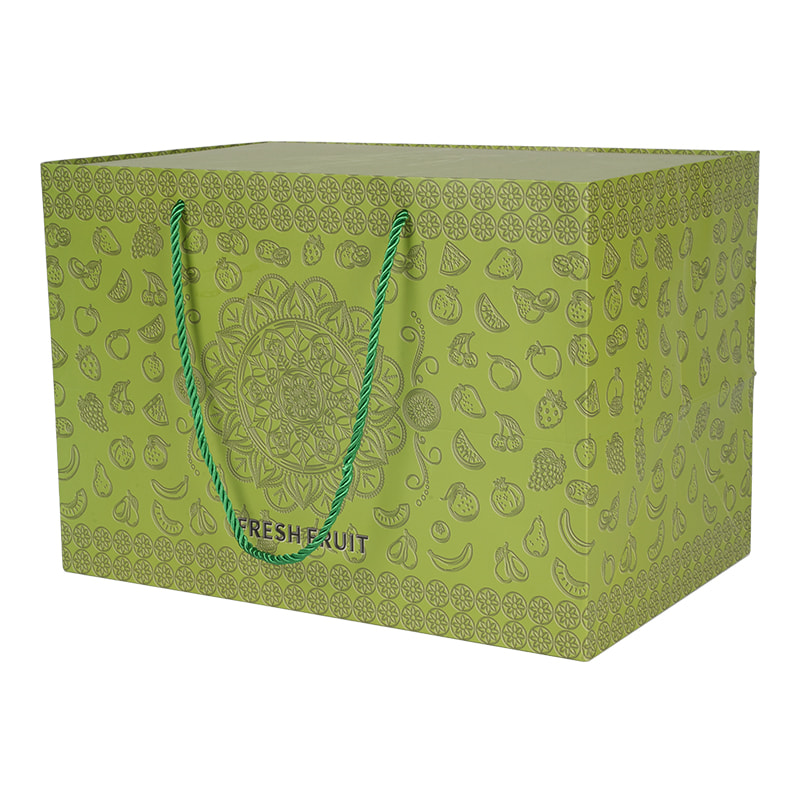
Textured paper introduces additional tactile effects. Grain patterns, linen textures, and other surface treatments can create a different feeling when the customer handles the package.
Recycled paper can be considered when packaging projects include environmental requirements. The appropriate material depends on the desired appearance, structure, printing process, and product protection requirements.
Lid and Base Box Structure
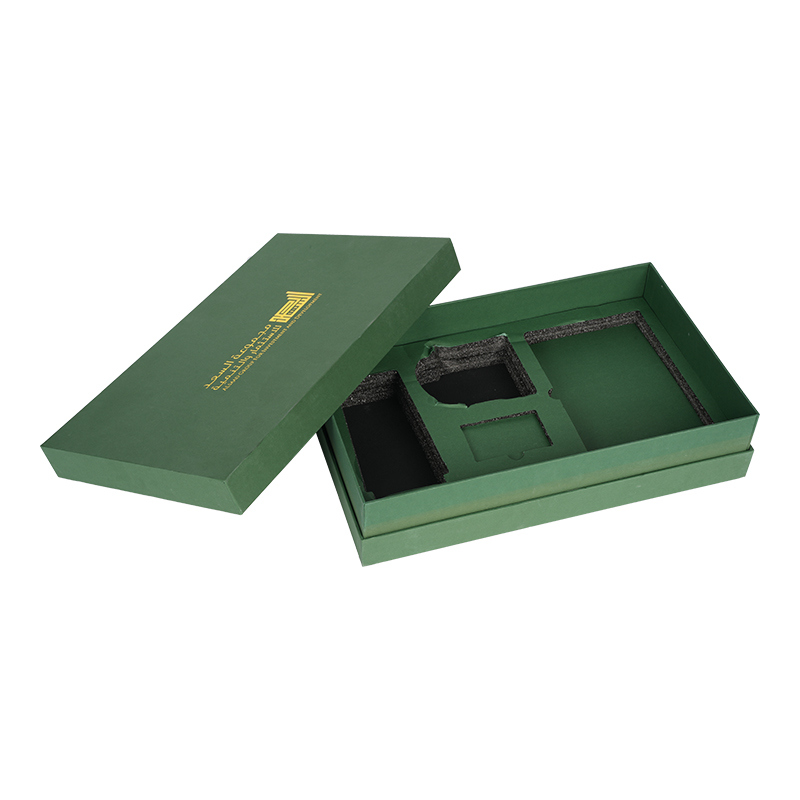
The lid and base structure is a familiar packaging format. A separate lid covers the lower box section and provides a straightforward opening method.
This structure can be adapted for jewelry, cosmetics, gifts, food products, and other applications. The lid can use the same paper as the box body or create a visual contrast through color, texture, or finishing.
The fit between the lid and base requires careful consideration. A loose fit may affect the presentation, while a very tight fit can make opening inconvenient.
Internal dimensions should also correspond with the product and insert. A well planned relationship between the outer box and inner space can reduce unwanted movement during handling.
Magnetic and Drawer Structures
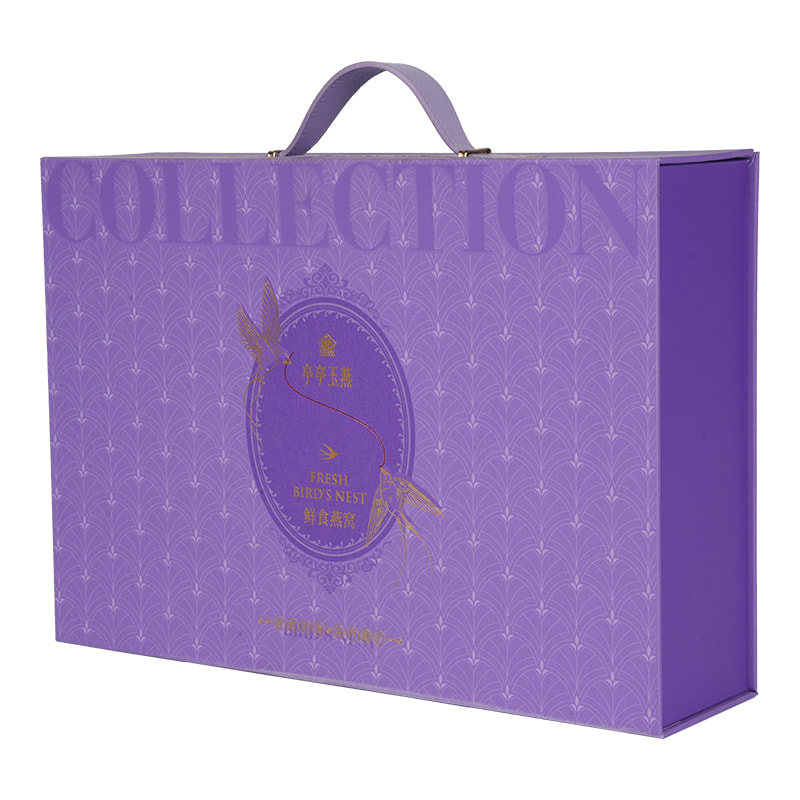
Magnetic closure boxes use embedded magnets to hold the lid in position. They can provide a smooth opening and closing experience while maintaining a clean exterior appearance.
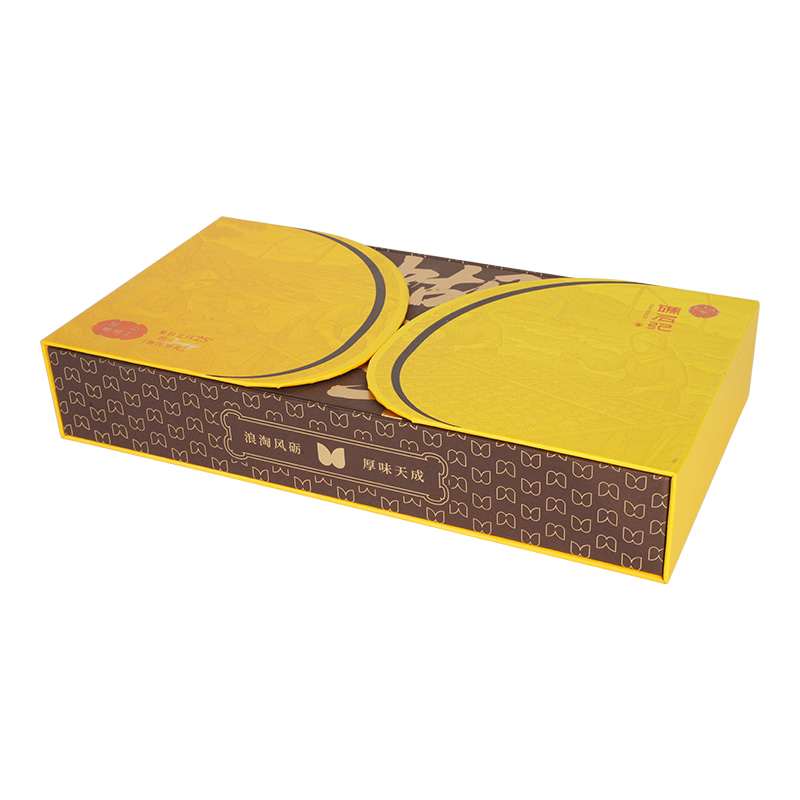
Drawer boxes use an inner tray that slides inside an outer sleeve. This structure creates a different interaction with the package and can provide separate areas for the product and accessories.
Book style boxes open in a similar manner to a cover. They can create a layered presentation by placing the product and supporting materials inside the structure.
Folding rigid boxes provide another option for projects where storage efficiency is important. The structure can be folded during certain stages of handling and opened into its final form when required.
Matching Structure With Products
Product dimensions and shape should guide the packaging structure. Jewelry often requires compact compartments, while cosmetics may need holders for bottles, jars, tubes, or palettes.
Fragrance bottles may need support around the glass body and neck area. Food products may require materials that suit the intended contact and storage conditions.
Electronic products often require internal spaces for accessories, cables, manuals, and protective elements.
The box structure should also account for how customers will remove the product. An insert that holds the product securely should still allow convenient access.
Construction Details
A rigid paper box normally involves a board structure covered with paper. Folding, wrapping, corner finishing, and assembly all contribute to the final appearance.
Board thickness affects rigidity and should correspond with the product and intended packaging function. The outer paper should be suitable for the selected printing and finishing process.
Corners deserve particular attention because they are visible during handling. Accurate folding and wrapping can help maintain a neat appearance.
Closure components should also be integrated into the structure without interfering with the product or insert.
Storage and Transportation
Packaging design should consider how boxes will be stored and transported before reaching the customer. Boxes may be stacked, moved between locations, or placed inside additional shipping packaging.
A suitable structure can provide support around the product while reducing unnecessary internal movement. The outer package should also be compatible with the shipping environment.
Moisture, pressure, friction, and repeated handling can affect paper packaging. Material selection and structural design should therefore reflect the expected transportation conditions.
Selecting Materials and Structure
When selecting a Luxury Paper Box, buyers can evaluate product size, product weight, shape, protection requirements, visual style, opening method, storage conditions, and transportation needs.
Material, structure, surface treatment, and internal support should be considered as parts of the same packaging system. A well matched combination can create packaging that supports product protection while also providing a suitable presentation for the intended market.